

Florida’s mandatory warranty should cover qualifying construction defects for at least one year, with written terms for repairs and added protection. For new construction in Florida, the statutory minimum covers defects that cause a material violation of the Florida Building Code. Broader workmanship and structural coverage depend on your agreement.
We recommend treating that legal minimum as the starting point for your purchase. In Southwest Florida, clear repair responsibilities matter when roofing, windows, drainage, or air-conditioning problems appear after move-in.
Key Takeaways
- Florida’s mandatory one-year builder warranty took effect July 1, 2025, and applies to qualifying previously unoccupied homes.
- Coverage begins at the earlier of the first title transfer or initial occupancy, and continues through a resale during that year.
- A 1-2-10 warranty provides additional contractual protection; Florida doesn’t require that entire package.
- Builder warranties, appliance service plans, homeowners insurance, and lawsuit deadlines provide different protections.
The Florida New Home Warranty Minimum
Which Homes and Defects Qualify?
Florida Statute 553.837 requires builders to warrant qualifying newly constructed homes against defects in equipment, materials, or workmanship that cause a material Building Code violation.
The law covers previously unoccupied single-family homes, duplexes, triplexes, and quadruplexes. Qualifying manufactured, modular, and factory-built homes also fall within its definition.
This isn’t blanket coverage for every cosmetic concern. However, a builder’s written warranty can cover finish defects and other problems beyond the statutory minimum.
When Coverage Starts and Who Pays
The one-year period starts at the earlier of title conveyance to the initial owner or initial occupancy. It doesn’t automatically begin with the Certificate of Occupancy.
Builders must correct covered defects at their expense and restore work damaged during those repairs. Selling the home doesn’t eliminate the builder’s obligation during the remaining year.
A builder may provide its own express written warranty with equal or greater protection. It is automatically transferable during the first year and must disclose extended coverage terms. Resale doesn’t restart the clock.
Coverage Worth Having Beyond the Legal Minimum
We recommend written protection that addresses finishes, installed systems, and structural work separately.
A common builder warranty follows this 1-2-10 structure.
| Typical Term | Common Coverage | Important Limit |
|---|---|---|
| One year | Materials and workmanship | Written standards define covered defects. |
| Two years | Plumbing, electrical, and HVAC systems | Covered components vary by agreement. |
| Ten years | Load-bearing structural components | Coverage addresses qualifying issues with structural integrity, but not every crack. |
These periods describe a common contractual arrangement, not a universal Florida requirement.
Define the Repair Obligation
The agreement should address roofing installation, flashing, windows, stucco, flooring, cabinets, plumbing, electrical work, and HVAC installation. It should also explain who handles resulting damage and repairs after substantial completion.
Keep manufacturer warranties separate. A failed air-conditioning component may involve manufacturer coverage, while improper installation may involve the builder.
Our guide to construction contract warranty provisions explains why coverage periods, exclusions, and repair procedures belong in writing.
Apply Performance Standards Correctly
NAHB’s Residential Construction Performance Guidelines, including the fourth edition, provide component-specific benchmarks rather than Florida law.
A one-year roof-leak provision doesn’t erase statutory rights. Likewise, figures sometimes quoted for siding cracks, such as 3/8 inch, or foundation variation of 1/2 inch over 20 feet aren’t blanket statewide allowances. The material, condition, applicable standard, and code requirements determine whether work is acceptable.
Builder Warranties and Service Plans Are Different
What Florida’s Home Warranty Definition Means
Florida Statute 634.301 defines a home warranty as a contract covering repair or replacement costs for a structural component or appliance because of wear and tear or an inherent defect.
Its definition of structural component includes the roof, plumbing system, electrical system, foundation, basement, walls, ceilings, and floors.
However, that definition doesn’t promise that every service contract covers every listed component. The purchased contract establishes its covered items, limits, exclusions, and service fees. The statutory definition alone creates no universal whole-house plan.
Why Condominium Warranties Need Separate Treatment
Florida Statute 718.203 addresses condominium warranties, including separate developer and contractor obligations.
It includes three-year contractor warranties for roofs, structural components, and specified mechanical and plumbing elements, plus one year for other improvements and materials.
These aren’t blanket warranty periods for detached homes. Also, the statute ties different protections to different events; describing all coverage as beginning with the Certificate of Occupancy is inaccurate. Maintenance requirements apply, and developer warranties have additional timing rules.
What Exclusions Mean in Southwest Florida
The mandatory builder warranty excludes normal wear, normal settling within accepted trade practices, and defects caused by purchaser-directed work or materials. It also excludes appliances and equipment covered by manufacturer warranties.
Broader written warranties commonly exclude misuse, neglected maintenance, and weather damage. However, the cause matters: hurricane damage and defective roof installation present different coverage questions.
We recommend keeping maintenance records for air-conditioning service, sealants, drainage, and other required upkeep. Record what happened before cleaning up or replacing a failed component.
A warranty exclusion for storms doesn’t establish that every leak after a storm resulted from weather. Documentation must distinguish storm damage from defective construction.
Homeowners insurance remains necessary. Standard policies generally exclude flooding, so rising water requires separate insurance consideration. A builder warranty doesn’t replace either protection.
Inspections and a Clear Warranty Claim Process
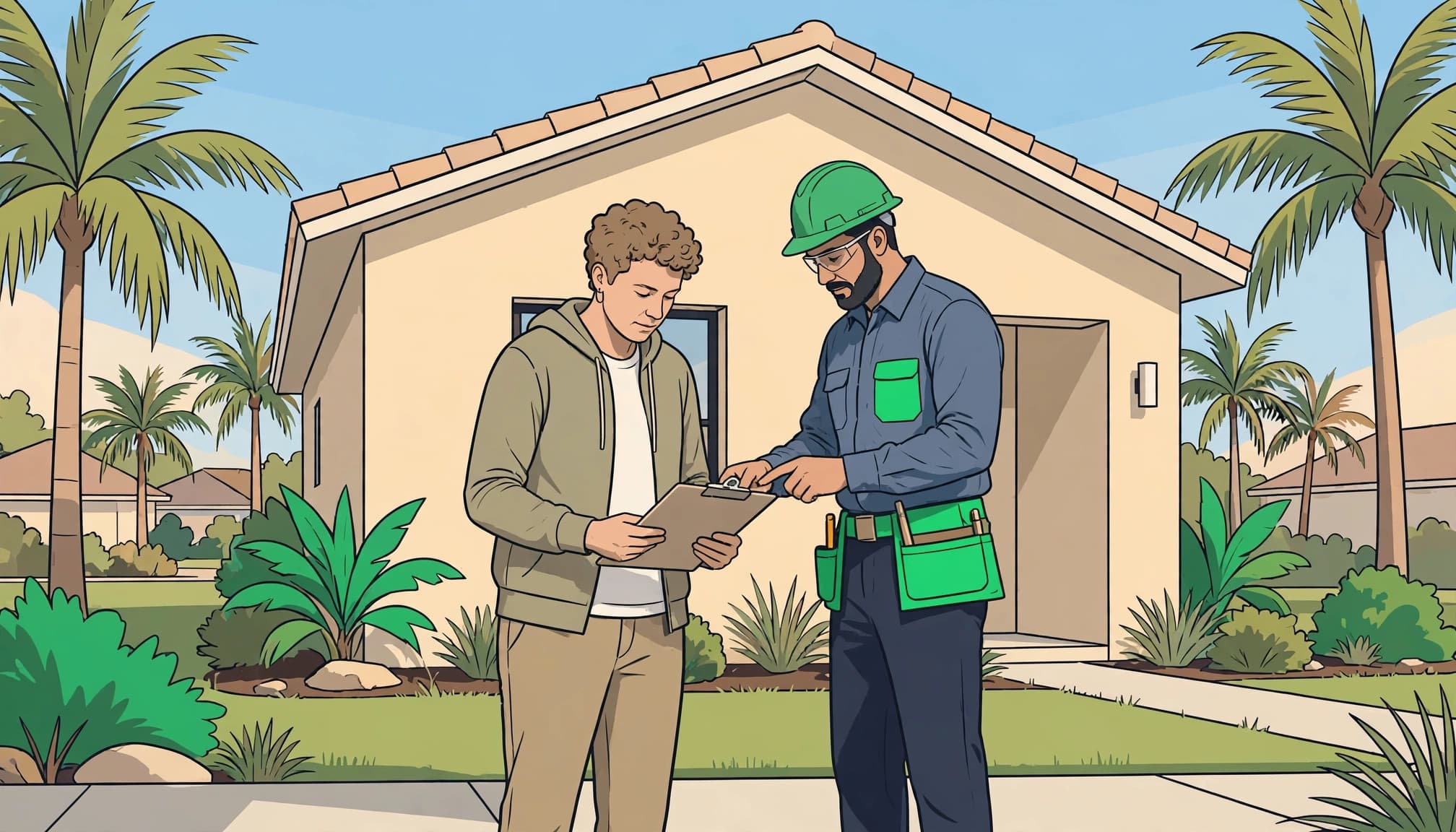
A passed government inspection doesn’t guarantee problem-free construction or fulfillment of every contract term. Our Florida final building inspection guide explains the distinction between code approval, occupancy documentation, and a private buyer’s inspection.
We recommend an independent inspection before closing and another review around month 11, early enough to report concerns before one-year coverage ends. An inspection doesn’t extend that deadline. At the pre-closing walk-through, ask a construction representative to record open items and have an independent home inspector assess concerns. The walk-through list and inspection findings can support written notice about concerns.
Use an organized claim process:
- Photograph the condition, record when it appeared, and identify the affected room or component.
- Submit written notice through the warranty’s required channel, with the inspection findings and supporting records.
- Protect the property against additional damage when safe, and retain emergency-repair receipts.
- Provide reasonable access for evaluation and repairs, then document the completed work and any unresolved damage.
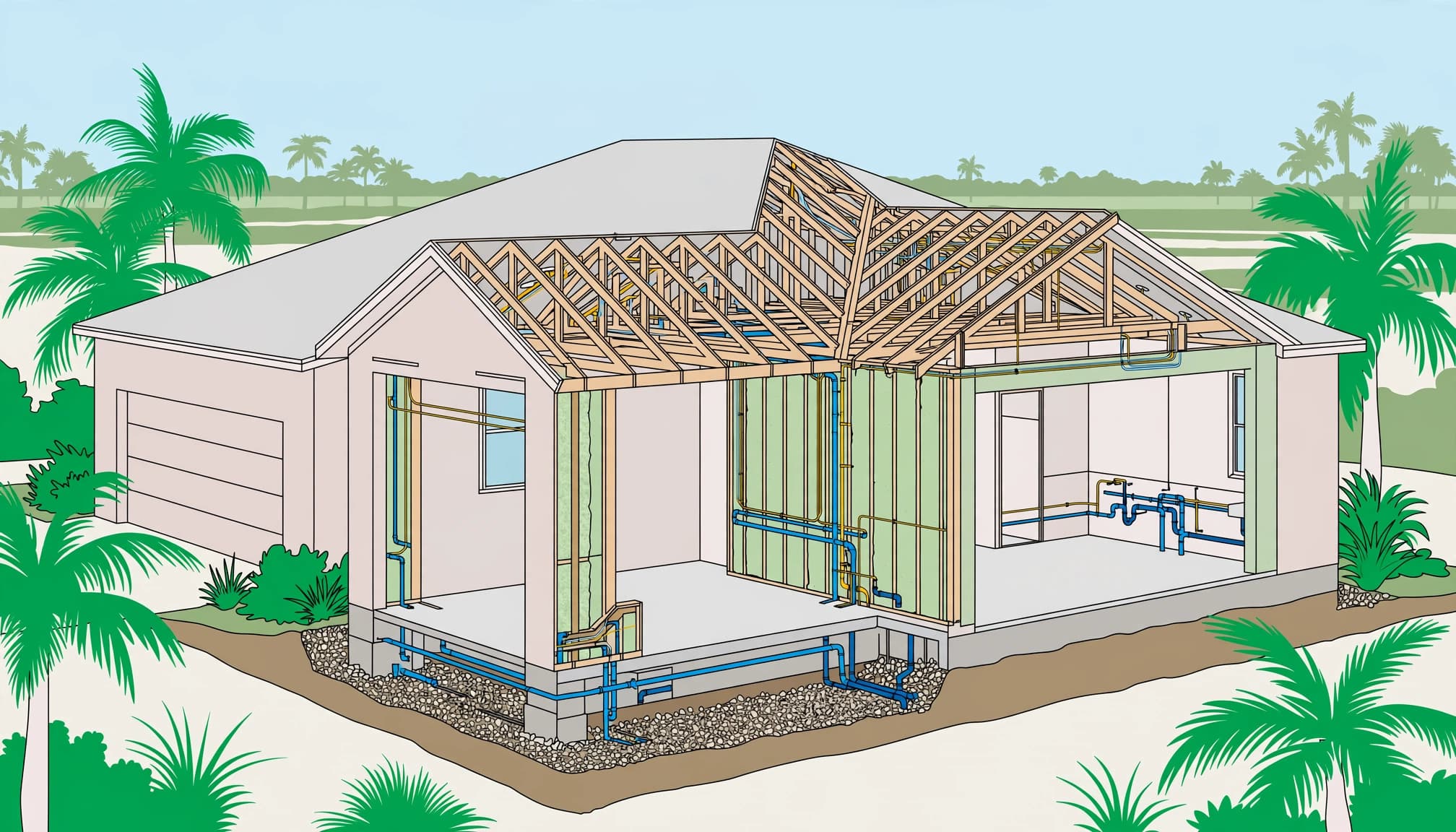
During new construction, our pre-drywall inspection guidance recommends room-by-room photographs of concealed pipes, wiring, and framing. Those records can help explain later problems.
Keep the warranty, approved changes, Certificate of Occupancy, manufacturer documents, and correspondence together. A lien release addresses payment rights; it doesn’t replace warranty documents.
Warranty Expiration and Lawsuit Deadlines Are Separate
Latent Defects Can Involve Other Legal Rights
A concealed construction condition is a problem that wasn’t reasonably apparent at completion. Expiration of a written warranty doesn’t automatically eliminate every possible construction claim.
Under Florida’s construction-defect deadlines, the statute of limitations for covered construction actions is generally four years, subject to statutory rules. For latent defects, discovery, or when discovery should reasonably have occurred, affects that period.
Florida shortened the general construction statute of repose to seven years, subject to statutory rules and exceptions. Older references to ten years from ownership don’t describe the general rule for newer claims. Applicable occupancy, completion, or abandonment events affect the calculation.
Written Notice Doesn’t Replace Filing Suit
The July 2019 change concerning pre-suit notice clarified that Chapter 558 notice doesn’t toll the statute of repose. A certified letter isn’t a substitute for filing a lawsuit within the applicable deadline.
Chapter 558 generally requires advance notice and an opportunity to inspect and respond. These requirements must fit within the available time.
Section 553.837 permits purchaser enforcement through a civil action, but doesn’t extend the statute of repose. We recommend prompt legal advice when a builder disputes a substantial problem.
Frequently Asked Questions
How Much Does a Florida New Home Warranty Cost?
The mandatory warranty is the builder’s responsibility, rather than an optional annual plan the buyer must purchase. Separate service contracts and extended coverage have their own prices.
Independent oversight and litigation create additional costs. Property360 estimates owner representation at 1% to 2% of construction cost and latent-defect legal fees at $30,000 or more. These are budgeting estimates, not statutory fees or guaranteed prices.
Do FHA and VA Loans Require Warranty Protection?
The FTC’s new-home warranty guidance describes third-party warranty requirements for FHA and VA loans.
Federal financing protections are separate from Florida’s mandatory builder warranty. A third-party plan can add an administrator or financial backing, but its written scope still determines the protection it provides.
How Long Should Roof, Plumbing, and Structural Coverage Last?
The statutory minimum is one year for qualifying code-related defects in covered new homes. A builder’s agreement may provide longer protection, including two-year systems coverage and ten-year structural coverage.
Condominium warranties follow separate statutory rules. Roof manufacturer coverage also differs from the builder’s installation warranty.
Does Florida’s Roof Law Guarantee a Replacement?
No. The mandatory builder warranty requires repair of covered construction defects; it doesn’t promise a replacement roof for every leak or storm loss.
Roof replacement depends on the underlying condition, necessary repair scope, applicable code, and any relevant insurance coverage. Roof-age insurance rules don’t expand the builder’s warranty.
Clear Coverage Starts Before Closing
A dependable warranty for a Florida home combines required legal protection with specific written repair commitments. Coverage dates, exclusions, and responsibility for resulting damage should be clear before you accept the home.
We recommend preserving construction records and reporting problems promptly. For help planning a new home or construction project in Southwest Florida, Get In Touch with our team.