
A Florida final building inspection reviews completed construction for compliance with approved plans before occupancy approval. Requirements and procedures for a Florida building inspection vary by jurisdiction and applicable code. Inspectors check safety features, completed systems, site conditions, and records, and require corrections for unresolved deficiencies.
For Southwest Florida buyers, approval and documentation matter as much as finished surfaces. We recommend separating this construction inspection from a private buyer’s inspection and an older condo’s milestone inspection.
The right starting point is understanding which inspection applies to your property.
Key Takeaways
- A new home’s final inspection depends on completed work, required trade approvals, accessible equipment, and complete documentation.
- A passing inspection doesn’t replace the issued Certificate of Occupancy or an independent buyer’s inspection.
- Qualifying condo and cooperative buildings follow a separate structural-inspection schedule, generally beginning at 30 years.
Which Inspection Applies to Your Property?
Several inspections can affect a purchase, but they answer different questions.
| Inspection | Main Purpose | Typical Timing |
|---|---|---|
| Final code-compliance inspection | Review completed permitted construction for code compliance | Before occupancy approval for a new home |
| Private home inspection | Evaluate accessible conditions for the buyer | During the purchase process |
| Milestone inspection | Assess qualifying condo or cooperative buildings for structural deterioration | At statutory age thresholds and every 10 years afterward |
A single-family home doesn’t become subject to the statewide condo milestone requirement because it reaches 30 years old. Florida’s milestone inspection law applies to qualifying residential condo and cooperative buildings.
For new construction, we recommend keeping the buyer’s independent inspection separate from required code inspections. Each has its own scope and reporting responsibilities.
Before the Final Inspection Is Scheduled
Completed Work and Trade Approvals
All work authorized under the building permit must be complete, with electrical, plumbing, and HVAC systems operational and compliant. Required trade inspections generally need approval before the final building inspection can pass.
Inspectors need permanent installations, not temporary arrangements intended to make the home appear finished. Missing fixtures, unfinished railings, or unresolved correction notices can prevent approval.
Our Florida custom home construction timeline places final inspections after construction and correction work. Schedule with that sequence in mind rather than relying on a projected completion date alone.
Documents and Safe Access
The inspection file may include approved plans, revisions, surveys, elevation documentation, energy records, and applicable termite certificates.
Where contractor declarations, final affidavits, or completion statements are required, they should be signed and dated, with the relevant license and permit numbers.
Before the appointment, equipment must be accessible, required labels installed, address numbers visible, and debris removed. In Lee County, a separate driveway permit may also need final approval before occupancy authorization.
What a Florida Final Building Inspection Checks
Structure, Stairs, and Exterior Conditions
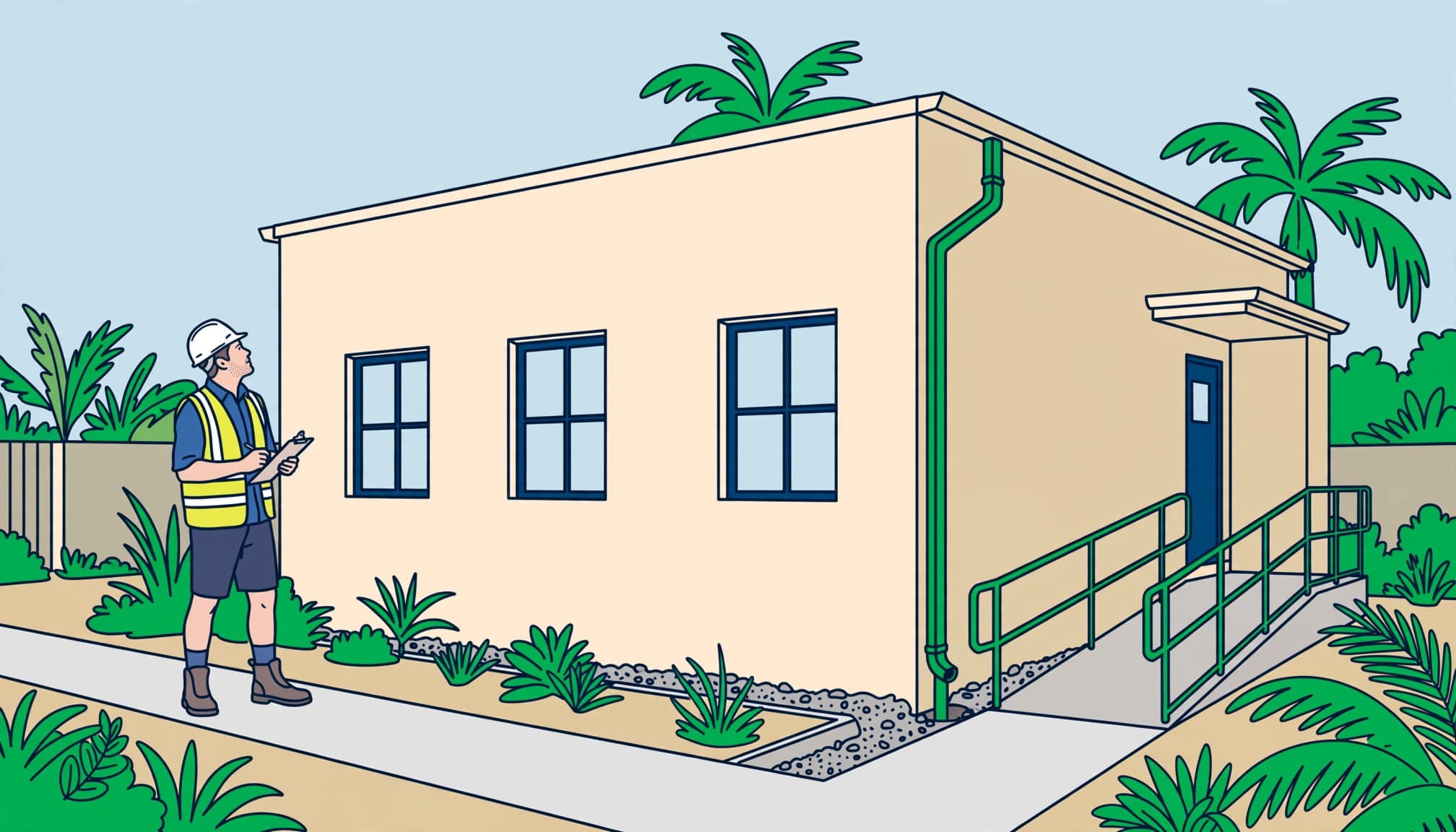
On inspection day, the inspector reviews accessible completed work against approved plans, checks applicable systems and safety items, and notes any deficiencies.
Residential stairways commonly require at least 36 inches of width, subject to code allowances. Handrails generally measure 34 to 38 inches above stair nosings. Treads need suitable slip resistance, with required landings at the top and bottom.
Site grading and drainage should match approved requirements. Hidden framing and connections were evaluated during earlier inspections; our pre-drywall inspection guide explains that earlier review.
Electrical, Plumbing, and HVAC Systems
An electrical inspection checks the electrical system for grounding and bonding, accessible disconnects, labeled breakers, and required protective devices. Kitchens, bathrooms, and outdoor locations require GFCI protection where applicable; AFCI protection is reviewed for locations covered by the governing electrical code.
Plumbing fixtures should operate without visible leaks. Inspectors also review the plumbing system, including applicable water-heater protections, drainage, and connections.
HVAC checks cover HVAC installation, controls, condensate drainage, ventilation, and required testing records. Bathroom exhaust should discharge outdoors, not into an attic or wall cavity.
Safety and Applicable Accessibility
Life safety checks include smoke alarms, carbon monoxide alarms where required, emergency escape openings, and safe exits. Inspectors also review fire safety systems when they apply to the building.
Accessibility compliance depends on the building and approved use. Where applicable, checks include at least 32 inches of clear doorway passage, ramps no steeper than 1:12, restroom grab bars, and van-accessible parking.
These aren’t universal requirements for every detached single-family home. Multifamily common areas and commercial spaces can have different obligations.
After the Inspection: Corrections and Occupancy
If the inspection fails, the inspection report lists deficiencies. The responsible party completes corrections and arranges the required reinspection. Inspection availability, missing documents, and additional approvals affect the remaining schedule.
A passing final inspection is one step toward the Certificate of Occupancy. The local authority issues that certificate after all applicable requirements are satisfied. Certain renovation projects receive a Certificate of Completion instead.
We separate government approvals from contractual punch-list work. Paint touch-ups or cabinet adjustments can remain contract issues even when code requirements are satisfied.
A passed inspection documents approval of the inspected scope. It doesn’t guarantee that every finish, concealed condition, or contractual obligation is defect-free.
Our construction project closeout checklist also covers warranties, operating information, and handover records.
Florida Condo Milestone Inspection Deadlines
The 30-Year Rule and Local 25-Year Option
Florida Statute 553.899 covers qualifying residential condominium and cooperative buildings with three or more habitable stories.
The initial milestone inspection deadline is generally December 31 of the year the building turns 30. Age is measured from the Certificate of Occupancy date, and repeat inspections are required every 10 years.
A local enforcement agency may require the first inspection at 25 years when circumstances, including proximity to salt water, justify an earlier review.
Transition deadlines also matter. DBPR’s inspection guidance identifies December 31, 2025, as the initial deadline for buildings reaching 30 during the specified 2022 through 2024 transition period.
Phase 1 and Phase 2
A Florida-licensed architect or engineer performs the Phase 1 inspection and signs and seals the report. It must generally be completed within 180 days after the local agency’s written notice.
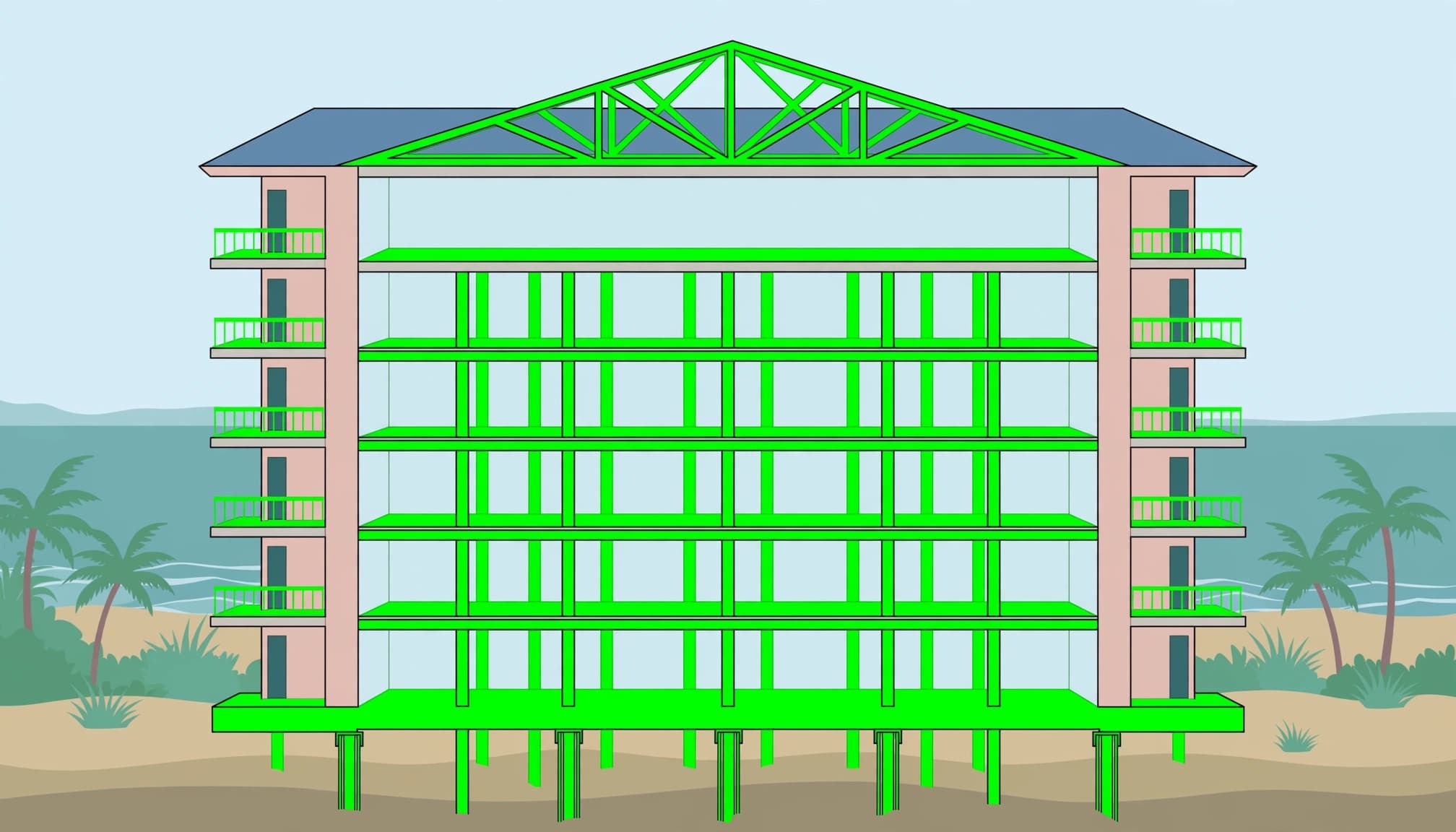
This visual examination covers structural components such as columns, beams, load-bearing walls, slabs, balconies, foundations, and roof framing.
It isn’t a comprehensive building-code, fire, electrical, plumbing, or mechanical compliance inspection.
A Phase 2 inspection is required only when Phase 1 identifies substantial structural deterioration. Further investigation and testing establish the extent of damage and necessary repairs. Ordinary surface imperfections alone don’t automatically require Phase 2.
How 40-Year Recertification Fits In
The term “40-year inspection” comes from local building-safety programs rather than the statewide milestone schedule.
Miami-Dade’s program followed the 1974 collapse of a federal office building in Miami and developed during the 1970s. Broward later adopted its own program. Today, buyers shouldn’t assume the first required review always occurs at 40 years.
Commercial and multifamily buildings are primary targets. Descriptions often reference buildings exceeding 2,000 square feet or containing more than ten units, but unit count and occupant load aren’t interchangeable. Local ordinance language controls eligibility.
Miami-Dade’s recertification exemptions include single-family homes and duplexes. Its small-building exemption uses an occupant load of 10 or fewer together with an area of 2,000 square feet or less.
Current Miami-Dade requirements include 25-year reviews for certain coastal condominium buildings and 30-year reviews for other covered buildings, followed by 10-year cycles.
These county programs don’t automatically apply to a home in Fort Myers, Cape Coral, or Naples. Statewide milestone requirements can still apply to qualifying Southwest Florida condominiums.
Missed Deadlines and Reserve Planning
Enforcement and Required Repairs
Missed inspection deadlines can lead to notices of violation, fines, daily penalties, and legal action under applicable enforcement rules. Unsafe conditions can also lead to evacuation orders or occupancy restrictions.
Miami-Dade’s recertification requirements illustrate a separate local enforcement process. Those penalties shouldn’t be treated as a statewide milestone fine schedule.
For milestone inspections, local ordinances must require repairs to begin within 365 days after receipt of the Phase 2 report, unless an earlier deadline applies. That is a repair-start requirement, not permission to leave an immediate hazard unresolved.
Reserves and Safety Reports
A structural integrity reserve study estimates remaining useful life and reserve funding for covered components. A milestone inspection evaluates structural condition and safety.
We recommend reviewing these records together when considering a condominium purchase. The inspection can identify repair needs, while the reserve study addresses funding.
An inspection report alone doesn’t establish whether the association has sufficient money available. Buyers also need the association’s budget, reserve information, repair plans, and any approved special assessments.
Frequently Asked Questions
Does a Final Inspection Replace a Buyer’s Home Inspection?
No. We recommend a Florida-licensed home inspector with new-construction experience for an independent evaluation. The agreement should identify accessible areas, reporting limitations, and return-visit terms. Structural concerns outside that scope may require an engineer’s assessment. Code approval and a buyer’s condition report answer different questions.
What Should Buyers Receive Before Move-In?
For a new home, the records should include the issued Certificate of Occupancy, relevant final inspection approvals, warranty information, and operating instructions. Keep approved changes and unresolved punch-list responsibilities in writing. Permit closeout, contractual acceptance, and final payment are separate matters that should remain clearly documented.
Did the 2026 Permit Changes Eliminate Final Inspections?
No. Florida’s July 1, 2026 permitting changes include limited exemptions for qualifying smaller residential projects. They don’t remove required permits, final inspections, or occupancy approval for a newly constructed home. A permit exemption for one limited task doesn’t exempt the larger construction project around it.
A Clear Finish Before Move-In
A dependable construction finish includes completed work, resolved corrections, documented approvals, and the required occupancy certificate. For condominium buyers, structural inspection reports and reserve planning require separate attention.
We support clear coordination and complete project records throughout a Southwest Florida build or renovation. For help planning your project and its closeout requirements, Get In Touch with our team.