
After an inspection fails in Florida, get the correction report, arrange repairs, and request a follow-up inspection. Don’t cover defective work or treat construction as complete until the required approvals are documented.
Separate immediate safety concerns from paperwork and contract responsibilities. For Southwest Florida buyers, documented approval matters as much as the home’s finished appearance. First identify which inspection applies, since a municipal inspection and a buyer’s home inspection require different next steps.
Key Takeaways
- A failed inspection requires specific corrections, supporting documents when required, and a follow-up inspection before approval.
- Your construction contract generally assigns responsibility for defective work, correction costs, and repeat inspection fees.
- Skipping the final inspection doesn’t close the permit; required occupancy documents and permit closeout remain separate obligations.
Understand Which Inspection Produced the Result
A municipal building inspection reviews permitted work against applicable building codes and approved plans. A failed result means the inspected work hasn’t received approval. It doesn’t automatically establish that the entire house is unsafe.
By contrast, a private home inspection evaluates accessible property conditions for a buyer. A buyer may worry that a property will “fail home inspection.” A private inspector reports defects rather than issuing a government pass-or-fail decision. A roof concern in that report can affect purchase negotiations without creating a municipal correction notice.
Older condominium buildings may also undergo milestone structural inspections. Those follow separate requirements and shouldn’t be confused with inspections for a single-family home.
Our guide to Florida final building inspection requirements explains how construction approval differs from a buyer’s inspection. That distinction determines who directs corrections and which documents resolve the issue.
Take These Steps After a Failed Building Inspection
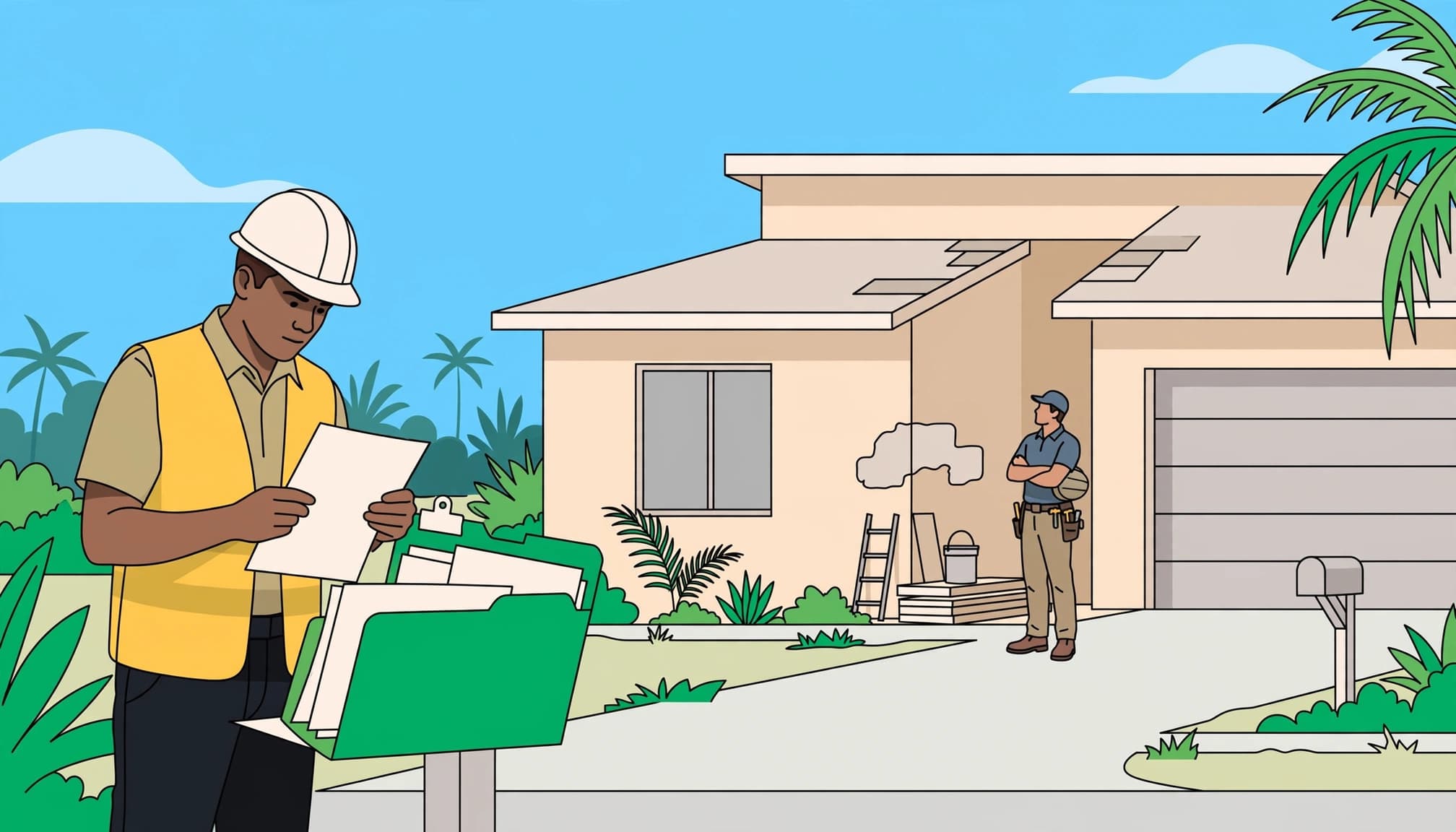
We recommend keeping the correction process organized around the written inspection result.
- Obtain the complete report. Record the permit number, inspection type, rejected items, code references, and any stated deadlines. Florida’s permitting law addresses code-based reasons for inspection failures and a five-business-day requirement for providing those reasons.
- Protect the work and property. Don’t install drywall over rejected rough-ins or conceal framing that still needs inspection. Keep people away from exposed electrical hazards or unstable construction; qualified professionals should address immediate safety concerns.
- Assign each correction. The contractor should identify the responsible trade, required materials, engineering needs, and scheduling effects. Missing records may require a document submission rather than physical reconstruction.
- Document the agreed resolution. Keep the correction scope, payment responsibility, approved revisions, photographs, and follow-up inspection arrangements together. Address every rejected item before requesting another visit.
A failed result doesn’t create one universal Florida correction deadline. Procedures vary by Florida jurisdiction and project type. The notice, permit status, and local enforcement process determine the schedule, while the building department’s inspection program explains how to submit corrections and request the next visit.
If you dispute an item, request a written explanation tied to the plans and applicable code. Present supporting drawings or engineering information through the building department’s review process. Continuing disputed work can make resolution more expensive.
Common Inspection Failures and Their Corrections
The consequence depends on the finding. Some issues require engineering; others involve a straightforward installation correction.
Structural Movement or Incomplete Framing
Foundation cracks, sloping floors, and sticking doors or windows can indicate movement. These structural issues warrant a professional evaluation rather than cosmetic patching.
During construction, missing connectors, framing changes, or work that differs from approved structural drawings can also prevent approval. The contractor must correct the installation and obtain engineering revisions when necessary. Our pre-drywall inspection guidance covers the stage when framing and rough-ins remain visible.
Roof, Plumbing, and Electrical Defects
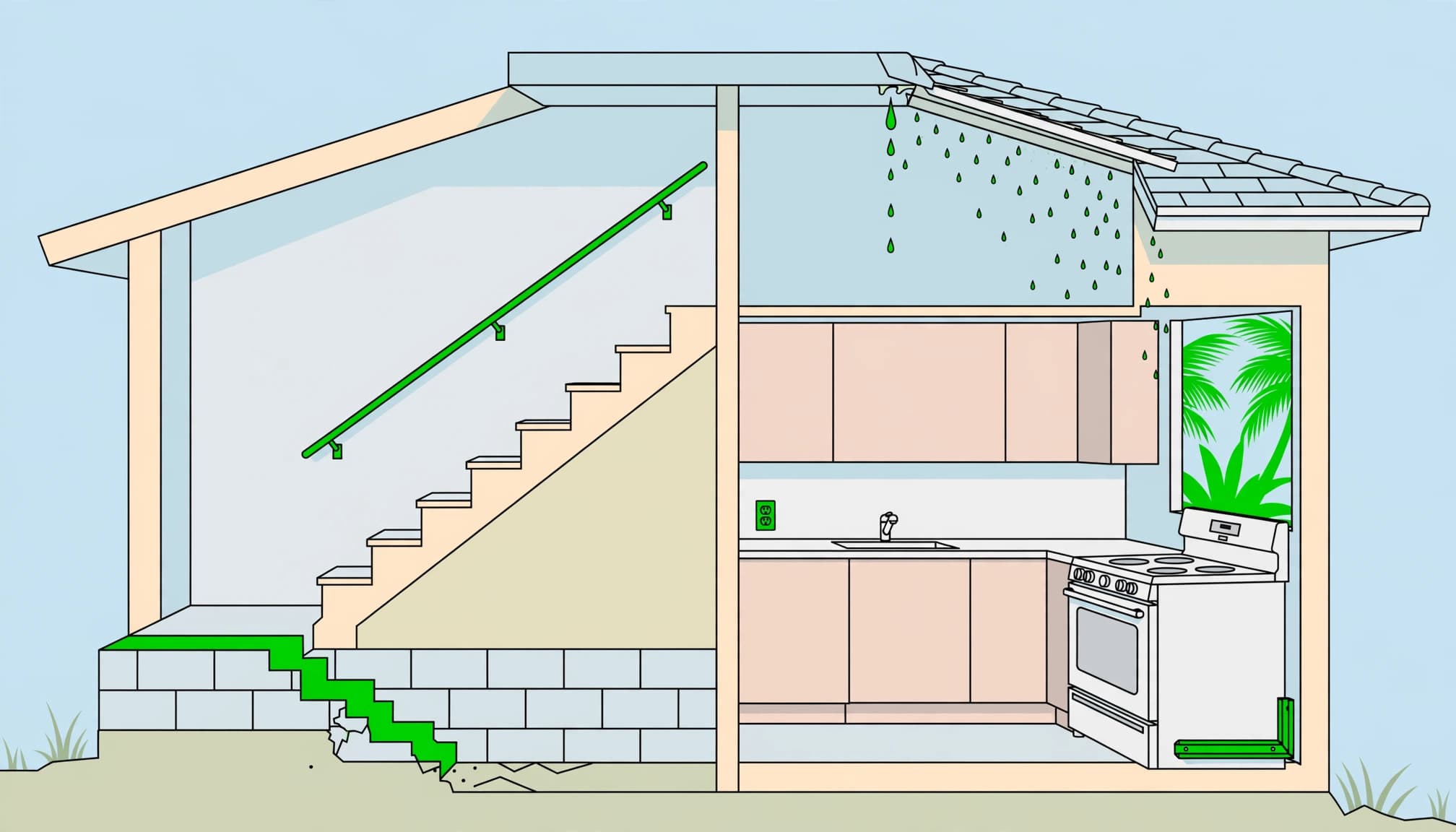
Roof leaks and damaged flashing require repairs that address the water-entry point. Many asphalt roofs approach replacement around 20 years, although age alone doesn’t automatically fail a municipal inspection.
Plumbing problems such as leaks and improper drainage, along with electrical wiring defects, need qualified trade repairs. Rough-in inspections can identify problems before fixtures and finished surfaces conceal them. After corrections, the affected trade may need approval before the final building inspection can proceed.
Missing Safety Features
Common findings include missing GFCI protection near sinks, incomplete stair handrails, and missing or nonworking carbon monoxide alarms where required. A missing anti-tip bracket on a freestanding range is another correctable safety concern.
The correction must match the applicable code and manufacturer’s instructions. Although these repairs may be limited in scope, inspectors still need access to evaluate them. Temporary installations intended only for inspection day don’t provide an acceptable finish.
Handle Environmental Findings Separately
A buyer’s inspection may identify concerns outside a routine municipal inspection’s scope. These may require specialist evaluation rather than a standard municipal inspection visit.
Suspected Asbestos in Older Materials
Older insulation, floor tiles, and textured finishes may contain asbestos. Appearance alone can’t establish whether a material contains it.
Don’t scrape, drill, or remove suspect materials to investigate. The EPA’s asbestos precautions advise against disturbing potentially asbestos-containing materials. A qualified asbestos professional can determine whether sampling or specialized handling is necessary before renovation continues.
Radon, Mold, and Pest Activity
Radon is a naturally occurring radioactive gas that requires radon testing to detect. The EPA’s indoor air guidance recommends repairs at readings of 4 pCi/L or higher. Qualified mitigation can reduce elevated levels.
Mold remediation must address the moisture source and affected materials to repair mold damage. Pest infestations may require treatment and repairs to damaged wood. Depending on the transaction or authority’s requirements, a licensed specialist’s clearance letter may be necessary.
Establish Who Pays Before Repairs Begin
Under a construction contract, the contractor is generally responsible for correcting noncompliant work within its scope. That responsibility can include labor, materials, and repeat-inspection fees. The agreement should state how those costs are handled.
Owner-requested changes can affect cost allocation. For example, a change that requires revised drawings or replacement materials may create an additional charge. However, an owner’s request doesn’t authorize a contractor to perform work that violates code.
Buying an existing home creates a different situation. The buyer and seller may negotiate repairs, credits, or a price adjustment under their purchase agreement.
We recommend documenting responsibility before work starts. Include the repair scope, permits, payment terms, and evidence required for acceptance.
For qualifying new homes, covered defects may also fall under Florida new home warranty protections. Warranty coverage and pre-closing correction obligations are separate questions.
Don’t Skip the Final Inspection
Skipping a required final inspection can leave an open permit unresolved. A building permit that later expires isn’t approved or closed simply because construction looks finished.
Unresolved permits can complicate a sale, refinancing, or later permit applications. Unsafe conditions can also lead to occupancy restrictions under applicable enforcement procedures.
Missing approval records may affect homeowners insurance underwriting or claims tied to the work. Policy language and the cause of damage determine coverage for homeowners insurance claims; an inspection failure alone doesn’t establish the insurer’s decision.
A contractor’s repair invoice documents work performed. It doesn’t establish that the building department approved the correction or closed the permit.
We recommend keeping permit closeout separate from final payment and contractual acceptance. Each has its own requirements, and completing one doesn’t automatically complete the others.
Complete Reinspection and Collect the Closeout Records
Before reinspection, the contractor should address every rejection and provide required supporting documents. Equipment must be accessible, required labels installed, and approved plans available. Revised work may also need signed engineering documents or updated permit records.
Reinspection confirms whether the corrected work satisfies the applicable requirements. A specialist’s letter supports that review when required, but it doesn’t automatically replace the building department’s inspection.
After approval, retain the inspection history and final permit status. For a new home, a passing final inspection doesn’t replace the issued Certificate of Occupancy. Certain renovation projects receive a Certificate of Completion instead.
Our construction project closeout checklist covers the broader handover, including warranties and operating information.
For buyers, the final file should connect the approved scope to the actual property. A roof permit doesn’t document a separate addition, enclosed lanai, or structural alteration.
Frequently Asked Questions
Can a Permit Be Obtained After Work Is Finished?
After-the-fact permitting may be available through the local jurisdiction. Completed work can still require drawings, inspections, corrections, or opening concealed areas. An expired permit may instead require renewal or another resolution process. A seller’s receipt alone doesn’t resolve either situation.
Can Inspection Problems Delay Mortgage Approval?
Yes. Structural, roof, or electrical defects can delay financing when they affect required property standards. FHA and VA transactions may require repairs before closing. HUD’s FHA valuation protocol identifies occupant safety and property security as reasons for required repairs.
A negotiated credit doesn’t automatically satisfy a lender’s repair condition. Buyers should separate purchase negotiations from financing requirements.
Can a Buyer Cancel After Serious Defects Are Found?
An inspection contingency can permit cancellation and return of the deposit when the buyer follows the contract’s terms. Deadlines and written notice requirements matter. However, finding a serious defect doesn’t automatically create cancellation rights after the applicable contingency expires.
We recommend involving your real estate attorney when unresolved repairs or permits affect the purchase agreement.
Resolve the Failure With Documented Approval
A failed building inspection requires a clear correction plan and proof that the required review is complete. Finished surfaces and paid invoices don’t replace documented closeout.
We support organized repairs and construction coordination throughout Southwest Florida. If your home project needs correction work, remodeling, or storm restoration, Get In Touch with our team to discuss the scope and next steps.