
Vacancy costs more than missed rent. A vacancy gap can expose deferred repairs, weak finishes, water issues, and other problems in vacant units.
A well-managed rental property turnover protects your rental income and supports the long-term value of your Fort Myers property. For a Fort Myers property owner, the goal isn’t to spend freely between tenants. It’s to control costs, make smart repairs, select durable upgrades, and leave the home clean, functional, and rent ready. That approach also supports resident satisfaction from move-in onward.
Key Takeaways
- A successful rental property turnover starts with a detailed move-out inspection, date-stamped records, and a defined scope that separates urgent repairs, make-ready work, and elective improvements.
- Build an itemized budget that accounts for vacancy costs, repairs, finishes, administrative expenses, and unknown conditions. Keep property repairs separate from improvements so owners can evaluate costs and insurance coverage clearly.
- Set a practical Fort Myers turnover schedule with clear milestones for inspection, scope approval, construction, final cleaning, and marketing. Prompt coordination helps shorten the vacancy gap and protect rental income.
- Address water, structural, plumbing, electrical, and substrate issues before selecting new finishes. Durable materials should reflect Fort Myers heat, humidity, heavy rain, and regular tenant use.
- Careful deposit handling, abandoned-property procedures, responsive maintenance, and tenant retention efforts can reduce legal risk and help lower the tenant turnover rate over time.
Turnover Starts With a Defined Scope
Every successful turnover begins before paint colors and flooring samples enter the conversation. We recommend a detailed move out inspection as soon as you regain legal possession. A defined scope also creates a baseline for interpreting the tenant turnover rate.
Document every room with date-stamped photos and video, then use a turnover checklist for condition, safety, and make-ready checks. Test appliances, plumbing fixtures, outlets, smoke alarms, doors, windows, locks, and HVAC operation. A written record supports property maintenance and helps separate normal wear from tenant-caused damage. It gives every contractor the same starting point and helps explain changes in the tenant turnover rate.
Record Condition Before Selecting Finishes
Look past surface wear. A stained baseboard may point to a plumbing leak. A loose plank can indicate a moisture issue or uneven subfloor. Musty smells, soft drywall, cracked tile, damaged stucco, and recurring drain concerns all deserve a closer look before cosmetic work begins. The tenant turnover rate may also reveal whether these conditions contribute to recurring departures.
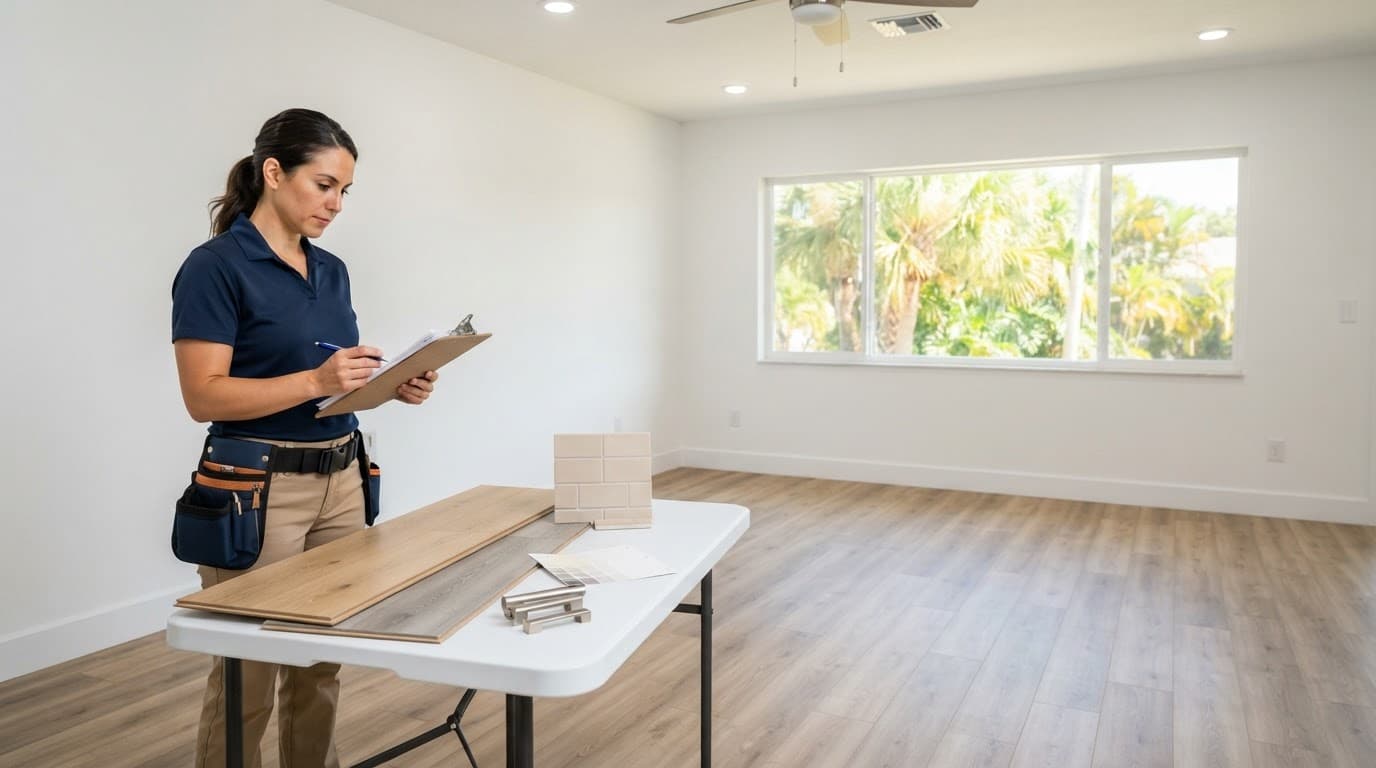
We believe the first inspection should produce three clear lists that help connect patterns in the tenant turnover rate with specific repair or upgrade decisions:
- Immediate property repairs for safety, water, electrical, structural, or habitability concerns.
- Cleaning, paint, hardware, landscaping, and minor make-ready work.
- Improvements that can strengthen the next lease, such as flooring, lighting, cabinets, or updated fixtures.
This approach keeps a small repair from becoming an expensive surprise after a new tenant moves in.
Calculate the Turnover Rate
A turnover rate shows how often renters leave over a set period. Use this formula to calculate the tenant turnover rate:
Number of move-outs during the period / average occupied units during the period x 100
For example, consider 12 rental units with three move-outs and 10 average occupied units. Three move-outs divided by 10 average occupied units, multiplied by 100, produces a tenant turnover rate of 30 percent.
The same calculation can also inform apartment turnover analysis across multifamily portfolios.
The tenant turnover rate doesn’t tell the whole story, so treat it as directional. Still, review it alongside maintenance history and lease patterns before drawing conclusions.
If residents leave after repeated maintenance requests or one-year leases, the tenant turnover rate may indicate an operational issue rather than a market-driven one.
Build a Budget That Shows Where Money Goes
A turnover budget should show more than one total price. A property owner should review each cost category line by line, with clear inclusions, exclusions, allowances, and approval requirements. The tenant turnover rate can help set a reasonable vacancy allowance.
A basic cleaning and paint turn needs a different budget from a property with damaged drywall, outdated wiring, failing plumbing, or storm-related moisture. If a contractor finds concealed damage, document the scope before additional work begins.
Keep Repairs Separate From Improvements
Repairs restore the property to a safe, functional condition. Improvements raise its appearance, function, or rental appeal. Both may be worthwhile, but keep them separate rather than grouping them in one vague allowance.
If water damage is tied to a covered event, keep the repair estimate separate from elective upgrades. Insurance may pay for covered damage. A larger kitchen layout, upgraded cabinet package, or premium flooring may remain an owner expense.
Use this budget structure to review proposals fairly:
| Budget Area | Include in the Scope | Owner Question |
|---|---|---|
| Vacancy cost | Lost rent during the vacancy gap, utilities, lawn care, and carrying costs | How many days can the work reasonably take? |
| Repairs | Property repairs, including drywall, plumbing, electrical, HVAC, doors, and leaks | Is the cause of the damage identified? |
| Finishes | Paint, flooring, trim, cabinets, counters, and fixtures | Are products durable enough for repeat rentals? |
| Administrative costs | Permits, inspections, debris removal, deep cleaning, carpet cleaning, and final cleanup | Are these included or priced separately? |
| Unknown conditions | Moisture, damaged framing, corroded piping, and subfloor repairs | Who approves the added cost and schedule change? |
A low quote may exclude demolition, disposal, permits, protection of finished surfaces, or final cleanup. We recommend asking for itemized pricing, then comparing the same category across every proposal.
A higher tenant turnover rate may reveal recurring repair costs that a single quote won’t show. Review whether durable improvements could reduce future costs when the tenant turnover rate remains high.
A repair scope should explain what will be repaired, replaced, excluded, or treated as an allowance before work begins.
A Fort Myers Turnover Schedule Protects Rental Income
When supply is high, vacant units must compete harder for attention in the rental market. A delayed start widens the vacancy gap and can increase the tenant turnover rate. Long renovation timelines can cost more than planned upgrades.
We recommend setting a target schedule before contractors arrive. Plan for material availability, permit needs, inspections, vendor access, and final cleaning to keep the tenant turnover rate from rising. Aim to shorten the vacancy gap between possession and marketing, but don’t promise a listing date based on hope alone.
Use Four Clear Turnover Milestones
Use a turnover checklist to turn the schedule into a practical process.
- Within the first 24 hours, document the condition, secure the home, collect keys, and identify urgent repairs.
- During the first few days, approve the scope promptly and set priorities that help limit the tenant turnover rate. Order long-lead materials, confirm trade availability, and determine whether permits are required.
- During construction, complete repairs in a logical order. Address water, framing, drywall, electrical, plumbing, flooring, paint, and finishes before final cleaning. Complete carpet cleaning as part of that final stage.
- Before marketing, complete a final walkthrough, test systems, photograph the finished property, and confirm the home is rent ready. Finish cleaning, correct punch-list items, and support a smoother leasing process that helps limit the tenant turnover rate.
For a single-family home, owner coordination may work for a paint-and-cleaning turn. Managing multiple rental units is harder, especially when apartment turnover involves multiple trades, damaged materials, permit work, or tighter access planning. A designated point of contact keeps decisions moving, reduces missed handoffs, and helps manage the tenant turnover rate. Prompt completion and a clean handoff also support resident satisfaction.
Repair First, Then Select Durable Updates
The best turnover renovation is not always the most dramatic. It supports daily use, presents well online, and starts with property repairs that prevent the same repair call a few months later.
Fort Myers homes face heat, humidity, heavy rain, and occasional storm exposure. Material choices should reflect those conditions, especially in kitchens, baths, entries, laundry areas, and ground-floor spaces. Review durability against the property’s tenant turnover rate and expected use.
Address Water and Substrate Issues
Never cover a moisture concern with new flooring, paint, or cabinets. Find the source first. Check supply lines, drain connections, roof penetrations, exterior openings, HVAC condensate lines, and wall conditions. When plumbing repairs are needed, complete them before replacing finishes.
We often see visible finishes take the blame when the problem is behind the surface. Damaged framing, wet drywall, corroded plumbing, or an uneven subfloor can affect both appearance and function. Unresolved issues can frustrate residents and increase the property’s tenant turnover rate, even when finishes look new.
For rental property flooring renovation, porcelain tile and quality luxury vinyl products can be practical options when they fit the room, subfloor, and property budget. Review Fort Myers flooring installation services before selecting materials that will see regular tenant use.

Confirm Permit and Inspection Requirements
Some turnover work is cosmetic. Other work can require permits, trade approvals, and inspections. Electrical changes, plumbing alterations, gas lines, roofing, windows, structural repairs, and major remodels should never be treated as simple make-ready work.
The City of Fort Myers Building, Permitting and Inspections department is the right place to verify local requirements for a city property. Homes in unincorporated Lee County and nearby communities may follow different procedures.
We recommend requesting permit numbers and inspection records while work is underway. Unpermitted construction can create problems during a future sale, refinance, insurance renewal, or claim.
Handle Deposits and Left Belongings With Care
A move out inspection carries financial and legal responsibilities. Keep all communication, photos, invoices, and repair records organized as part of your property management records.
Follow Florida Security Deposit Timing
Florida’s deposit rules have firm deadlines. Under Florida Statute 83.49, a landlord who does not intend to make a claim must return the deposit within 15 days after the rental agreement ends.
If you intend to make a claim against the security deposit, written notice must be sent within 30 days after termination. The former tenant then has 15 days to object in writing.
Normal wear and tenant damage are not the same. We recommend using dated move-in and move-out records, paid invoices, and a clear explanation of each charge. The Florida Bar’s landlord and tenant guidance provides a useful consumer-level overview of these duties.
Do Not Discard Abandoned Property Too Soon
Furniture, boxes, vehicles, or personal items left behind can delay a turnover. Do not assume the property is trash or remove it without following the required process.
Florida’s abandoned property statute requires notice and a reclamation period. The timeframe is generally at least 10 days for personal delivery or 15 days when mailed.
Property managers should store abandoned property with reasonable care, send the required notice, and keep records. When possession, abandonment, or a deposit claim is disputed, get legal guidance before taking action.
Choose the Right Team and Reduce Future Churn
A rental property turnover can involve cleaning crews, painters, flooring installers, plumbers, electricians, HVAC technicians, and repair professionals. Managing every call yourself may work for a simple home turn, but larger portfolios with multiple rental units need stronger coordination. A higher tenant turnover rate can also strain response times.
Compare One Point of Contact With Multiple Vendors
Separate trades can be a reasonable choice when the work is minor, the schedule is flexible, and you have time to manage access, approvals, and invoices.
This option works best when the tenant turnover rate is low and you have time to coordinate third party vendors.
A full-service renovation partner can be a better fit when repairs affect several areas of the home. One point of contact can coordinate scope changes, permits, inspections, material orders, cleanup, and final closeout. This can reduce delays that affect the tenant turnover rate. Explore our rental property renovation services when your turnover includes more than paint and cleaning, and you need coordinated turnover services.
Ask every contractor how changes are handled. A written change order should state the added or deleted work, price impact, material details, and schedule effect. No one benefits when small decisions turn into unclear costs.
Tenant Retention Begins Before Renewal Season
The lowest-cost turnover is the one that never happens when maintenance requests receive prompt attention. Residents often leave when communication is inconsistent or expectations go unmet, lowering resident satisfaction and increasing the tenant turnover rate. Responsive service supports tenant retention and can prevent avoidable moves.
Property management software such as Innago, TenantCloud, and ProperMeld can track work orders, inspection notes, renewal dates, and vendor tasks. A property management workflow lets property managers use maintenance software to review vendors and compare the tenant turnover rate over time. The same maintenance software keeps records clear for the leasing process, but it does not replace good service.
We recommend reviewing property maintenance history before every lease renewal conversation. Repeated leaks, broken appliances, poor drainage, or worn flooring can affect resident satisfaction and raise the tenant turnover rate. Comparing the turnover rate with recurring repairs can guide renewal decisions and help reduce avoidable moves.
Frequently Asked Questions
How should a Fort Myers owner start a rental property turnover?
Begin with a detailed move-out inspection as soon as you regain legal possession. Document each room with dated photos and video, test major systems, and divide the scope into urgent repairs, make-ready work, and elective improvements.
What should a rental property turnover budget include?
The budget should identify vacancy costs, repairs, finishes, administrative expenses, and allowances for unknown conditions. Ask contractors for itemized pricing and confirm whether demolition, disposal, permits, inspections, and final cleanup are included.
How long should a rental property turnover take?
The schedule depends on the property’s condition, material availability, permit requirements, and contractor access. Set milestones for inspection, scope approval, construction, final cleaning, and marketing, but avoid promising a listing date before the work is confirmed.
Which repairs should be completed before cosmetic updates?
Resolve water intrusion, damaged framing, plumbing issues, electrical concerns, HVAC problems, and uneven or damaged substrates before installing new finishes. Covering these conditions with paint, flooring, or cabinets can lead to repeat repairs and resident dissatisfaction.
What are the Florida rules for security deposits and belongings left behind?
If no deposit claim is made, Florida generally requires the deposit to be returned within 15 days after the rental agreement ends. A claim requires written notice within 30 days, and abandoned belongings should not be discarded until the required notice and reclamation process are followed.
Protect the Property Between Every Lease
The turnover process is a business decision with construction details behind it. Track inspections, budgets, materials, approvals, scheduling, and the tenant turnover rate to protect the property and its financial performance.
Your next tenant should walk into a home that is clean, functional, safe, and ready for daily life. This supports resident satisfaction and protects your rental income.
For renovation planning, repairs, flooring, or larger turnover work in Southwest Florida, Get In Touch with our team.