

Florida impact fees add a separate infrastructure expense to new-home construction, so they belong in your budget before work begins. The amount depends on the property’s jurisdiction, the home’s classification, applicable credits, and the local fee schedule.
We recommend separating these charges from construction pricing, permit fees, and utility connections. That distinction supports a more accurate total project budget, especially when comparing properties in Southwest Florida. Start with what the fees fund and who ultimately pays them.
Key Takeaways
- Impact fees support infrastructure needed by new development, and Florida law requires a reasonable connection between the charge and that development.
- Local fee schedules determine the amount; state law controls collection timing, increases, credits, and challenges.
- Replacement homes, qualifying infrastructure contributions, and overpayments can create exemptions, credits, or refund rights.
What Florida Impact Fees Pay For
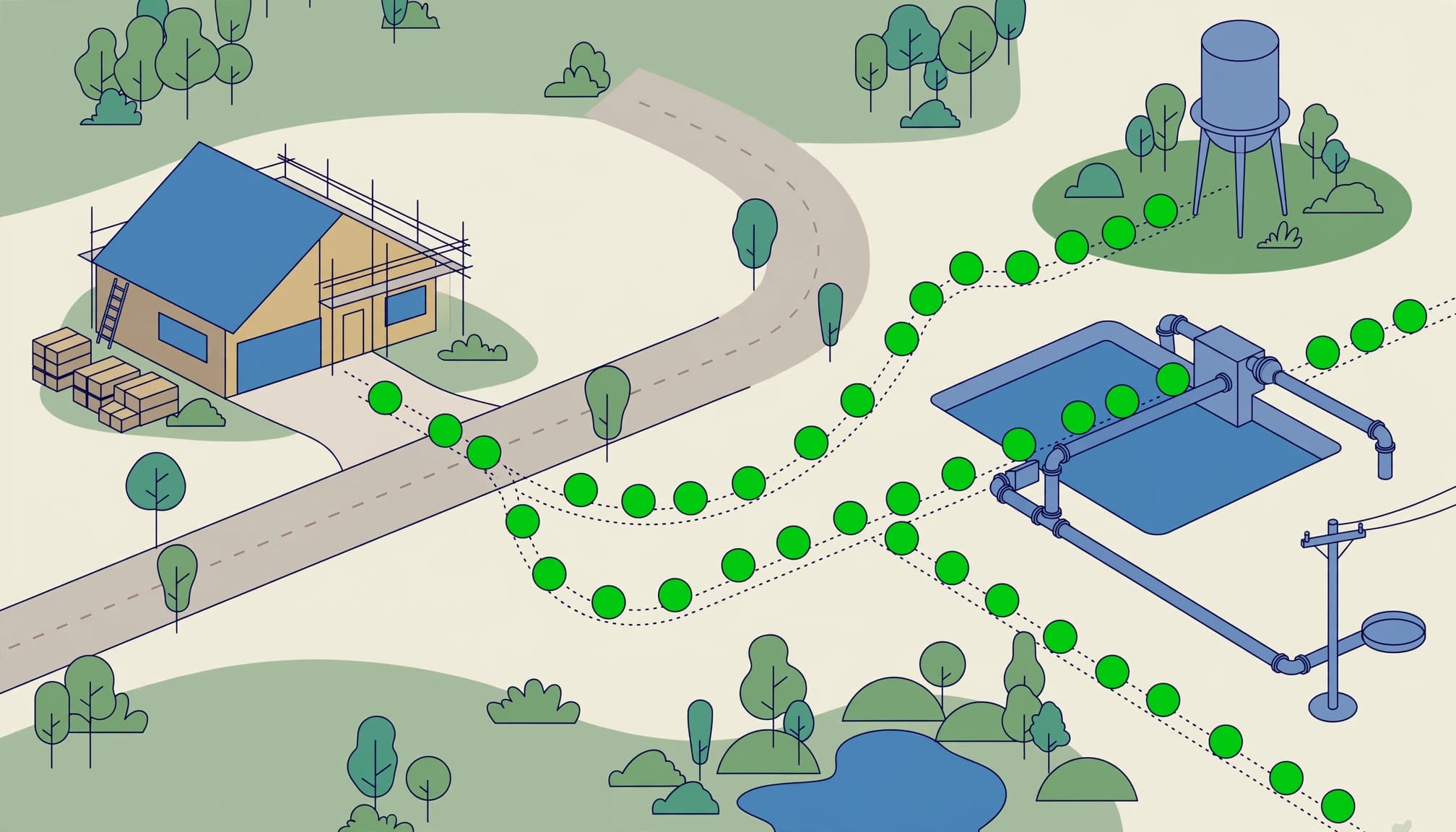
The Florida Impact Fee Act, Section 163.31801, Florida Statutes, identifies impact fees as revenue for infrastructure required by new growth. Counties, municipalities, school districts, and each special district administer programs under this statutory framework.
Infrastructure Must Relate to New Development
Common categories include transportation, schools, parks, and fire or emergency facilities. Depending on the local program, impact fees may fund added road capacity, classrooms, park facilities, and fire stations.
The government must establish a rational nexus, or reasonable connection, between development and the need for capital facilities. It must also show a rational nexus between the expenditure and the benefits new construction receives.
The charge must remain proportional to the development’s impact.
The Contract Determines How Buyers Bear the Cost
A developer, builder, or property owner may submit the payment. The construction agreement determines whether your quoted price includes it or assigns it separately to you.
For a completed new home, the builder may recover this expense through the sales price. For a custom build, it may appear as a separate project expense or allowance.
How Local Fees Enter a Homebuilding Budget
There isn’t one statewide impact-fee price for a Florida home. The local government adopts and administers the applicable schedule, while state law sets minimum legal requirements.
Local Schedules Set the Calculation
A residential fee may depend on dwelling type, square footage, or another adopted demand measure. The calculation generally combines applicable category charges, then subtracts eligible credits or reductions.
For Southwest Florida buyers, the permitting jurisdiction matters. A Fort Myers mailing address doesn’t automatically mean the same fee treatment as a property inside city limits. County, municipal, school, and other district charges may follow separate schedules.
Check the current adopted impact fee schedule from the applicable county or city, school district, and special district. Verify its effective date with the permitting office, and request an itemized calculation showing each category, rate, applicable unit or size classification, and credit. A single unexplained allowance makes cost comparisons difficult.
Construction Pricing Covers a Different Scope
Our guidance on Fort Myers custom home costs gives a preliminary standard-custom construction range of about $200 to $400 per square foot. For 2,000 square feet, that creates a $400,000 to $800,000 construction baseline.
That baseline doesn’t automatically include land, site preparation, engineering, utility connections, or impact fees. Flood elevation requirements and foundation design can also increase the building scope.
Keep those expenses separate so an attractive construction price doesn’t obscure the total investment.
When Impact Fees Become Payable
Under subsection (4), a government can’t require impact fee collections before the property’s building permit issuance date. That restriction doesn’t mean every jurisdiction must collect on that date; an applicable local program may allow later payment.
New or increased fees require at least 90 days’ notice before their effective date. Decreases, suspensions, and eliminations don’t require that waiting period.
We recommend identifying the applicable fee schedule and payment responsibility in the construction agreement. Our guide to Florida construction permit requirements addresses the related approvals and project expenses.
Impact fees aren’t monthly service charges. Permit-review fees, utility deposits, connection costs, and recurring utility bills are separate budget items.
Each local government must place impact fee collections in a separate accounting fund. Any administrative charge for collecting the fee must reflect actual collection costs.
How Florida Limits Impact Fee Increases
Under subsection (6) of the Florida Statutes, ordinary phase-in limitations set a statutory cap of 50 percent of the current rate. A government also generally can’t increase that fee more than once every four years.
An increase of no more than 25% requires two equal annual increments. An increase above 25%, up to 50 percent, requires four equal installments.
The table shows the resulting rate as a percentage of the original fee.
| Phase-In Year | Approved 25% Increase | Approved 50% Increase |
|---|---|---|
| First year | 112.5% | 112.5% |
| Second year | 125% | 125% |
| Third year | 125% | 137.5% |
| Fourth year | 125% | 150% |
The percentages apply to the original rate, so these are equal additions rather than annual compounding.
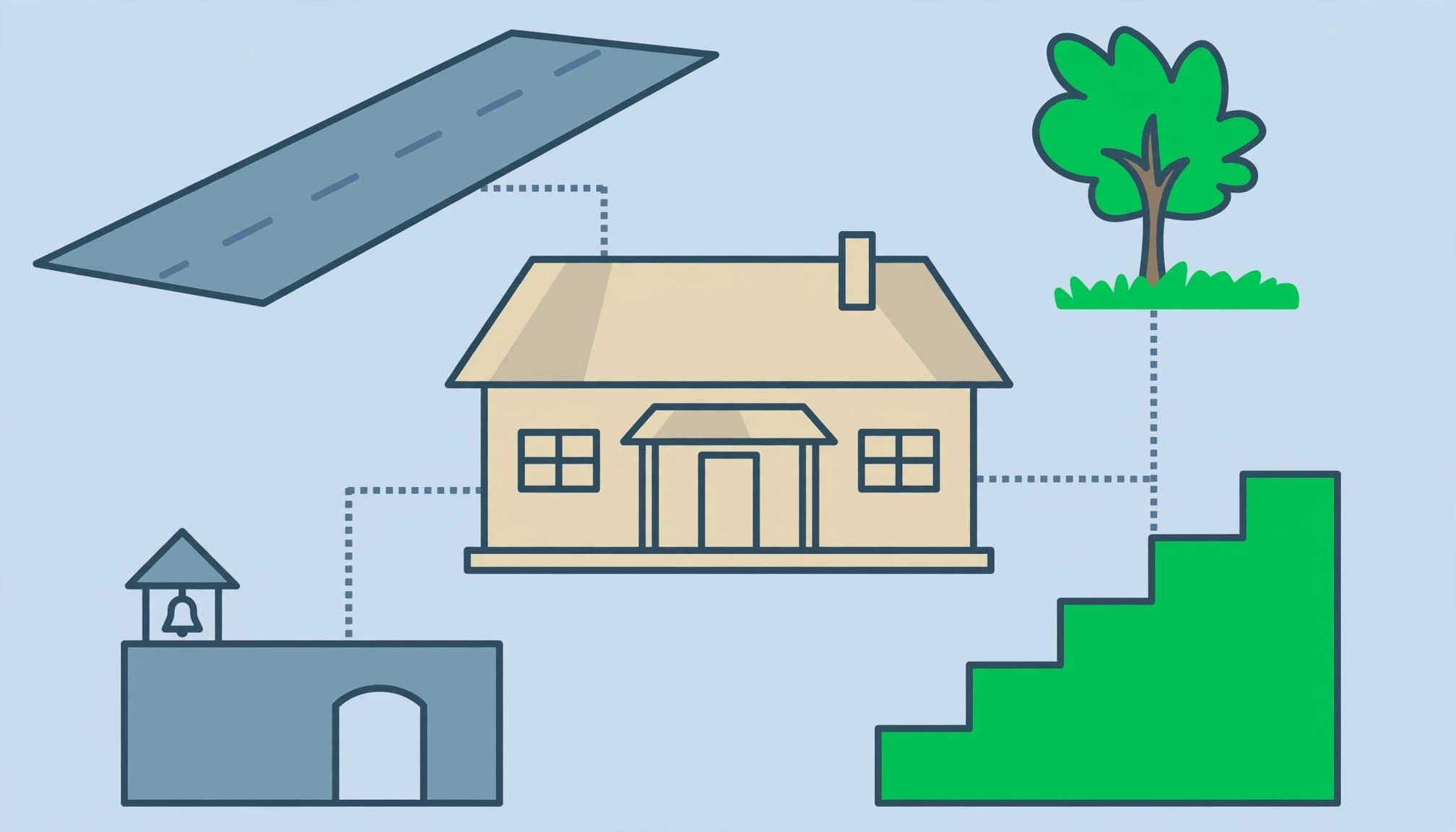
For your budget, apply the phase-in limitations to the rate for your project’s applicable year, not just the total adopted increase. A phased schedule doesn’t necessarily charge the final adopted rate immediately.
What the 2026 Rules Require for Larger Increases
The 2026 statutory requirements add protections for fees adopted or increased after July 1, 2026. Higher infrastructure costs alone don’t remove these requirements.
Extraordinary Circumstances Need Documented Support
To exceed the ordinary phase-in limits, the government needs a demonstrated-need study completed within 12 months before adoption. The study must support an impact fee increase ordinance by establishing extraordinary circumstances, and it can’t rely on data more than four years old.
The governing body must hold at least two publicly noticed workshops addressing those circumstances and adopt the impact fee increase ordinance by unanimous vote. Although subsection (4)(a) also specifies a two-thirds threshold for increases above 50%, that doesn’t replace subsection (6)(g)’s stricter unanimity requirement.
Extraordinary circumstances mean measurable development effects that require mitigation beyond what existing fees and permitted increases can cover in less than four years.
Prior Increases and the Maximum Also Matter
A jurisdiction can’t use the extraordinary-circumstances pathway if it hasn’t increased that fee during the preceding five years. Years when a hurricane-disaster restriction prohibits an increase don’t count toward that period.
The extraordinary increase can’t exceed 100%. The statute allows implementation through two to four equal annual increments, so a four-year schedule divides the approved increase equally across those years.
These conditions restrict the exception; they don’t create automatic permission to double a fee.
Credits, Replacement Homes, and Refund Rights
A fee calculation should account for qualifying prior impacts and infrastructure contributions, which may qualify for impact fee credits. Paying the full new-development charge isn’t appropriate in every construction situation.
Contributions and Replacement Construction Can Reduce Charges
When a developer must dedicate land or construct qualifying public facilities, the government must provide dollar-for-dollar credits at fair market value against fees for the same facility category. A transportation contribution, for example, applies to the corresponding transportation obligation.
A replacement structure with the same land use and no increased impact doesn’t generate an impact fee. If a significant increase in size or intensity creates additional demand, the charge applies only to the proportional difference.
For storm-replacement projects, the former structure’s lawful use and documented impact matter. Retain prior permits, assessments, and payment records with the project file.
Overpayment Requests Follow Three Deadlines
A written request alleging overpayment starts a defined response process. The levying government must issue a written approval or denial within 30 days of receipt.
After approval, the payor has 30 days after receiving the response to elect a refund or credit in writing to the chief administrator. The government must then provide the full refund or credit within 30 days after receiving that election.
An approval doesn’t complete the process. The written election starts the final fulfillment deadline.
What a Government Must Prove in a Challenge
When someone challenges a fee, the government must prove compliance by a preponderance of the evidence. It must show a rational nexus between the development, the fee amount, and the benefits the fee funds. Courts can’t apply a deferential standard that favors the government.
The Florida Attorney General’s Nassau County impact-fee opinion concluded that 17% population growth over five years, or about 3.4% annually, didn’t establish extraordinary circumstances on the facts presented. Ordinary growth is already the condition impact fees address.
The opinion also warned that a near-100% increase without adequate justification appeared to be a tax disguised as an impact fee.
For buyers, that distinction matters because a fee needs support for both its amount and purpose. A Florida land-use attorney can evaluate a disputed assessment or denied refund request.
Frequently Asked Questions
Does Every New Florida Home Require Impact Fees?
Not every project produces the same obligation. Local adoption, applicable categories, exemptions, existing-use credits, and replacement rules determine the charge.
A vacant-lot new build differs from replacing a home with the same use and no added impact. We recommend treating fee status as a distinct property-budget item rather than assuming all new homes carry identical charges.
Can Impact Fees Change After a Construction Estimate?
Yes. An early estimate may contain an allowance rather than a fixed charge, and an adopted phase-in may affect the amount payable later.
The agreement should identify who bears an increase and how any overpayment or unused allowance returns to you. Our guidance on comparing construction estimates addresses inclusions, exclusions, and payment responsibilities.
Build With a Complete Cost Picture
Florida impact fees belong in a property-specific budget, alongside construction, site work, and other government charges. The applicable rate, payment timing, and available credits determine their effect on your project.
We recommend a clear scope and an itemized estimate before construction begins. To discuss a Southwest Florida home project and its planning requirements, Get In Touch with our team.