
A home can look ready for summer and still have a loose roof edge, an unprotected opening, or a drainage problem. In Southwest Florida, hurricane preparation starts with knowing those weak points before a storm is in the forecast.
If you’re buying in Fort Myers, Cape Coral, Naples, Sanibel, or Captiva, preparation also belongs in your property review. You need a plan for the structure, the people inside it, and the records that protect your investment. Start with the property itself.
Check the Home’s Storm and Flood Exposure
The Atlantic hurricane season runs from June 1 through November 30. A seasonal calendar helps you plan, but the home’s location determines many of your decisions.
Look Beyond the Flood-Zone Letter
Check the property’s flood-zone information, elevation records, and past water intrusion. Ask where water collected during heavy rain and whether the yard drains toward the house. On a coastal lot, review the condition of any seawall, pool deck, or ground-level enclosure.
A flood-zone designation is a starting point, not a complete description of risk. NOAA’s storm surge risk maps show areas vulnerable to surge and direct residents to check their hurricane evacuation zones. We recommend reviewing both before you assume a home’s distance from the beach tells the full story.
Confirm the Local Evacuation Plan
Find the property’s evacuation zone and identify a destination outside it. Check which county and municipality issue instructions for that address; requirements and resources can differ across Southwest Florida.
Save the local emergency management page, learn how you’ll receive alerts, and plan for pets or medical equipment. If you’re considering a barrier-island home, confirm how you’ll get updates about access and bridge conditions. Don’t wait until an evacuation order to decide where you’re going.
Inspect the Roof and Openings
Southwest Florida hurricane preparation needs more than a box of supplies. A home’s roof, doors, and windows must work together to keep wind and rain out.
Address Roof Problems Early
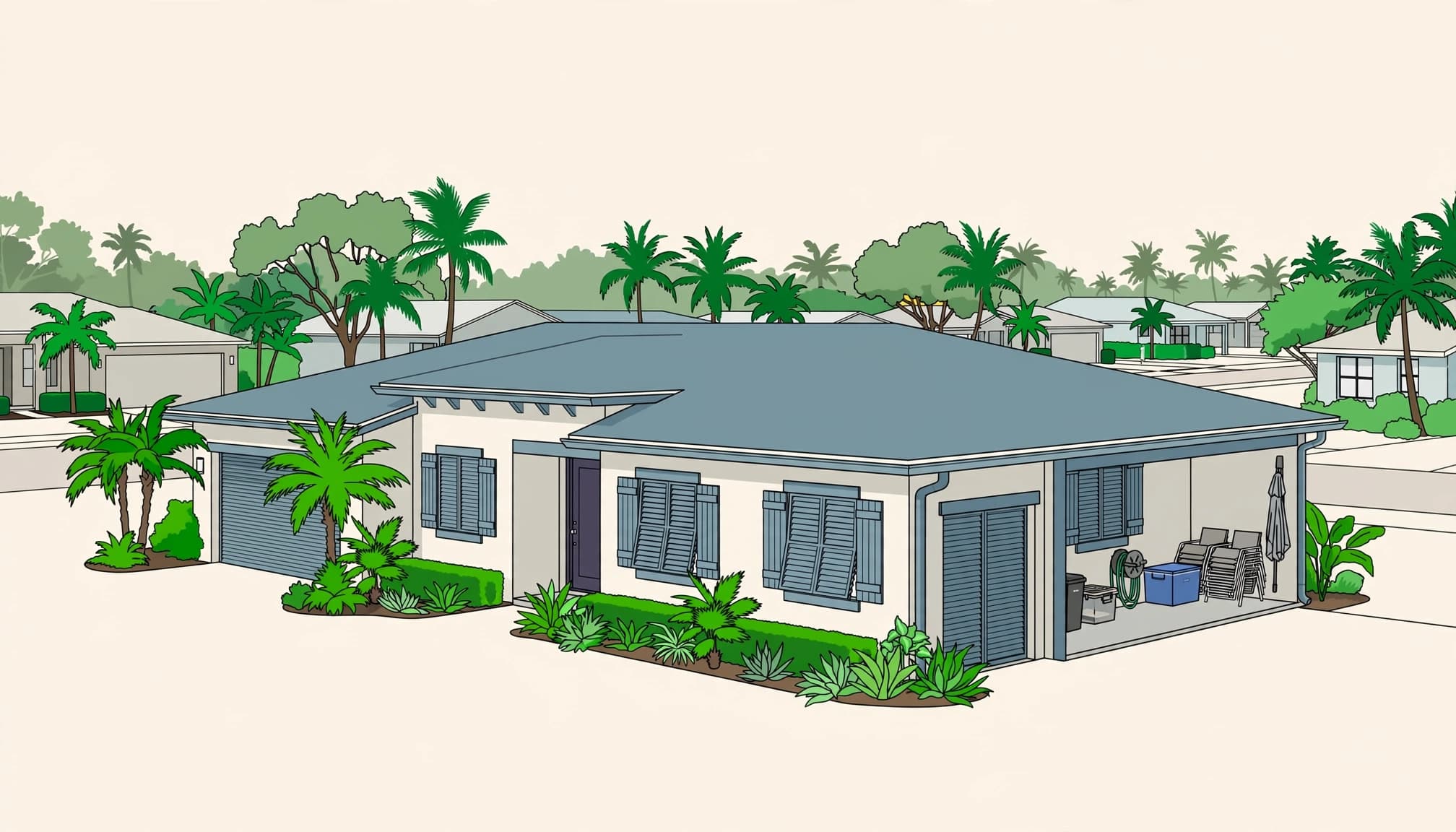
Look for missing or lifted roofing, damaged flashing, stained ceilings, and soft or deteriorated soffits. From the ground, check whether gutters are secure and water can leave the roof without spilling against the walls.
Don’t climb onto a questionable roof. Arrange a qualified inspection if you see damage or don’t know the roof’s condition. A buyer should request roof permits, inspection records, repair invoices, and any available wind-mitigation report. Those documents tell you more than an attractive listing photo.
Test the Protection You Already Have
Locate every shutter panel, track, fastener, and key. Check that the system fits each opening and that you know how to install it safely. If the home has impact-rated windows or doors, request the product and permit documentation rather than relying on appearance.
Pay attention to the garage door, too. Ask how it was installed and whether its protection matches the home’s approved plans. A contractor can assess worn seals, damaged frames, loose hardware, or openings that need repair.
Clear Drainage and Secure the Exterior
Wind can turn ordinary patio items into hazards. Heavy rain can expose a drainage problem that wasn’t obvious during a showing.
Make Water’s Exit Route Clear
Clean gutters and downspouts, and check where they discharge. Keep yard drains and swales free of leaves and stored materials. After a hard rain, note any standing water near the slab, entry, or garage.
Avoid changing the grading without understanding where the water will go. If a purchase includes an enclosed lanai, pool deck, or recent landscaping work, ask whether those changes affected drainage. We prefer to identify the cause before pricing a repair.
Remove Loose Items Before Watches Begin
Trim dead limbs well ahead of a storm and use qualified help near power lines. Secure or bring in patio furniture, planters, grills, and pool equipment that can be moved safely. Check fences, gates, screens, and detached storage for loose components.
Make a storage plan now. When a storm is close, you may not have time to move everything or find the hardware for your shutters.
Build a Household Plan That Works Without Power
A protected structure doesn’t replace a household plan. Decide how you’ll communicate, where you’ll go, and what you’ll take if you have to leave.
Prepare for Your Actual Household
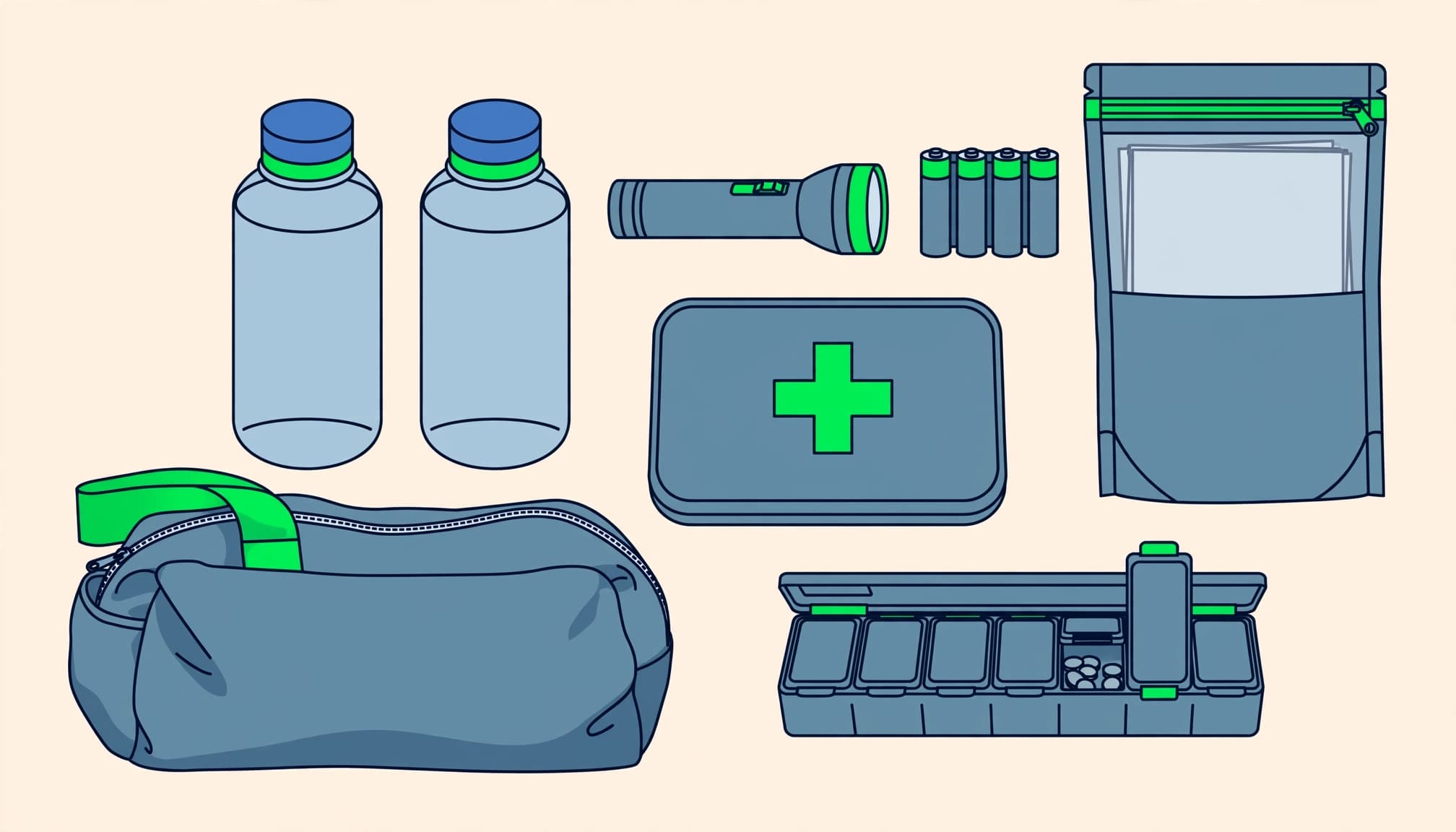
Set aside water, shelf-stable food, medications, first-aid supplies, lighting, batteries, chargers, and pet necessities. Add what your household depends on, including medical-device supplies or mobility equipment. Keep a go-bag where you can reach it.
Know how to shut off the home’s utilities when instructed, and keep your vehicle ready for a possible evacuation. The Florida Division of Emergency Management’s planning guidance can help you check your household plan against current state advice.
Protect Documents Before You Need Them
Store identification, insurance policies, prescription information, contractor contacts, and property records in a protected place. Keep accessible digital copies as well. Photograph each room, major appliance, and exterior elevation before storm season.
For a recently purchased home, include permits, surveys, elevation records, and warranties. An organized file makes it easier to describe what changed after a storm; it also gives repair teams a clearer account of the home’s existing condition.
Review Insurance Before a Storm Forms
When it comes to insurance, the time to ask questions is before you need to file a claim. Coverage depends on your policy, the cause of loss, exclusions, limits, and deductibles.
Separate Wind and Flood Questions
Ask your agent how the policy handles wind damage, wind-driven rain, and the hurricane deductible. Then confirm whether you have separate flood coverage. Standard homeowners insurance doesn’t cover floodwater or storm surge.
Don’t assume a home’s flood-zone label settles the coverage decision. Water can enter through rainfall, drainage, or surge under different conditions. Ask when any new policy becomes effective; waiting periods and effective dates can vary.
Keep a Claim-Ready Property File
Record your insurer’s contact information and policy number. Save dated photographs, receipts for major improvements, and available roof or opening-protection records. Ask whether a wind-mitigation inspection would be useful for your property; documentation may support available credits, but a premium change isn’t guaranteed.
If damage occurs, photograph it before cleanup when it’s safe to do so. Save invoices for temporary protection and keep notes from insurance conversations. Wind and rising-water losses may require separate claims.
Give a Home Purchase a Storm-Readiness Review
A fresh finish doesn’t tell you what happened behind the drywall after a prior hurricane. Buyers should treat storm history as part of due diligence, particularly on coastal and barrier-island properties.
Request the Work History, Not Just the Renovation Photos
Ask for past insurance records, contractor invoices, engineering reports, permits, inspection results, and before-and-after photographs when available. Confirm that permits were closed and that completed repairs match the approved scope. Pay close attention to roof work, enclosed lanais, exterior walls, and previous water damage.
Hurricane Ian showed how wind and surge can affect the same property in different ways. If you find a prior repair, ask what caused the damage and how the underlying condition was addressed. Our local construction and restoration projects show the range of work involved in Southwest Florida properties.
Plan Upgrades Around the Whole Home
Impact-rated openings are valuable, but they aren’t the entire protection plan. Review roof connections, flashing, exterior doors, drainage, and the placement of mechanical equipment with qualified professionals. For substantial work, confirm the applicable building and floodplain requirements with the local authority before setting a budget.
A licensed contractor should provide a written scope, explain permits, and distinguish required work from optional improvements. If you’re considering changes to an existing home, our Southwest Florida remodeling services begin with a review of the property and project scope. You can also review our answers about permits and construction projects before planning work.
Take the Right Steps When a Storm Approaches
Once a storm threatens Southwest Florida, use current official updates rather than an old checklist. Confirm your evacuation instructions, install approved protection while conditions are safe, and bring in loose exterior items. Charge devices and place records, medication, and supplies where you can take them quickly.
Fort Myers residents can consult the city’s hurricane preparation and safety tips. Elsewhere, follow the emergency management office for your property’s jurisdiction. An evacuation order takes priority over plans to stay with the home.
If you leave, follow official instructions about when to return. Don’t use a portable generator indoors, in a garage, or in another enclosed space. Keep it away from openings and follow the manufacturer’s safety directions.
Document Damage Before Permanent Repairs
After a storm, safety comes first. Stay away from downed lines and don’t enter a home with suspected structural damage, a gas odor, or standing water near electrical equipment. Contact the appropriate utility or qualified professional before approaching those areas.
Once it’s safe, photograph each affected area before moving debris. Take wide views and close-ups, note when you discovered the damage, and contact your insurer promptly. If rising water entered the home, notify your flood insurer separately.
Temporary protection can limit further loss. Keep receipts, preserve useful evidence when practical, and discuss permanent repairs with your insurer before work begins. The repair scope should address the cause of water or wind entry, not merely restore the visible finish.
Key Takeaways
- Check flood exposure, evacuation information, and the home’s repair history before you buy.
- Inspect the roof, openings, drainage, and exterior well before a storm is forecast.
- Prepare supplies, protected records, and a plan that fits everyone in your household.
- Review wind and flood coverage separately; document damage before permanent repairs.
Frequently Asked Questions
Does a Home Outside a High-Risk Flood Zone Need Preparation?
Yes. A lower-risk flood designation doesn’t rule out heavy-rain flooding, drainage problems, or other storm damage. Check the property’s actual conditions and insurance options, not only its map label. We also recommend reviewing the roof, openings, and past water intrusion before closing.
Should You Install Shutters for the First Time When a Storm Is Near?
It’s better to test them well in advance. You need to know that every panel fits, all hardware is present, and the installation can be done safely. If parts are missing or the system is damaged, arrange repairs before a storm enters the forecast.
Prepare Before the Forecast Becomes Urgent
A sound roof matters, but good preparation also includes drainage, insurance, records, and a clear household plan. For buyers, those checks can reveal work that belongs in the purchase decision.
If you need help evaluating repairs or planning improvements to a Southwest Florida home, Get In Touch. We’ll discuss the property, the scope, and the next practical step.