
A new home can suffer serious damage before anyone moves in. Buyers planning new home construction across Southwest Florida, from Fort Myers to Cape Coral, need to know who holds the policy and when it starts. They should also review how it treats storm damage.
We understand that insurance can feel like one more detail in a long construction plan. Yet a coverage gap during the build can affect your schedule, budget, and construction loan. It can also leave you without needed financial protection. The right questions belong in the contract discussion, before materials arrive.
Key Takeaways
- Builder’s risk covers qualifying property damage during construction, but its limits, exclusions, and coverage dates depend on the policy.
- Fort Myers buyers should check wind coverage, the named-storm deductible, and flood protection separately.
- Your contract should identify who buys the policy, whose interests it protects, and who handles a claim.
- Coverage must remain in place through the construction milestones stated in the policy. Don’t assume it continues until you receive the keys.
What Builder’s Risk Insurance Fort Myers Buyers Should Review
For new-home projects in Southwest Florida, builder’s risk is property insurance for a home while it’s being built. It can cover physical property damage to covered construction work and materials. It isn’t a substitute for contractor insurance or other protection. Coverage also doesn’t automatically extend to every cause of loss.
The Structure and Building Materials
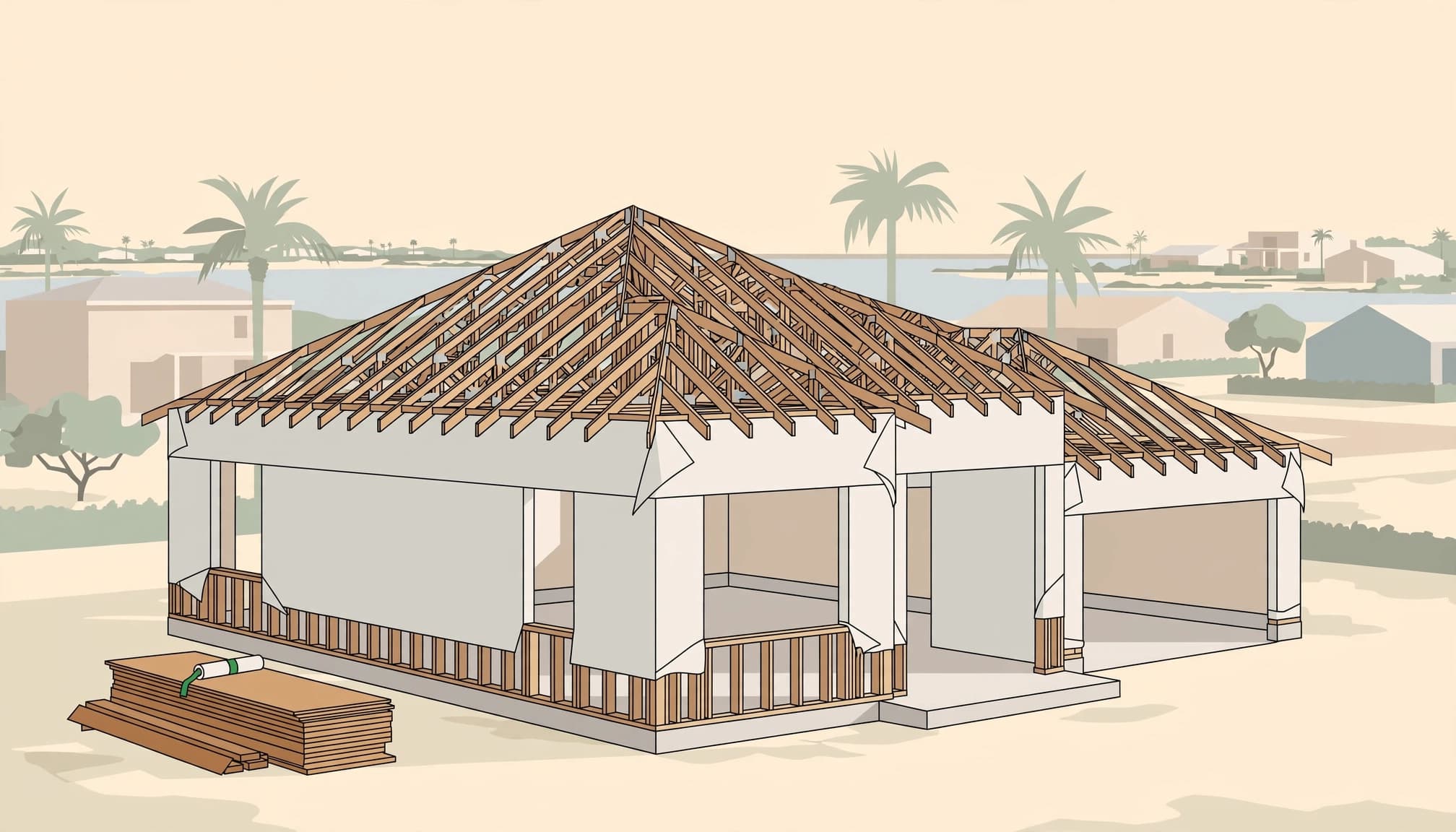
A policy may cover the unfinished house, installed components, and materials at the jobsite. Terms vary among insurance policies, and some may also cover materials in temporary storage or transit. These details matter when windows, roofing, or custom finishes are purchased before installation.
Ask how the insured value is calculated. A quote based only on the first phase of work may leave the project short of coverage later. Review the limit against the construction contract and approved changes, while checking how the policy treats debris removal, temporary structures, and additional work after a loss. NerdWallet’s builder’s risk overview explains the basic distinction between construction property coverage and other business insurance.
Limits That Can Surprise Buyers
Coverage for theft, water intrusion, wind, and materials left outdoors varies. Faulty workmanship may be excluded, even when resulting damage receives different treatment under the policy. Flood and storm surge require their own review; don’t assume a wind provision includes rising water.
We recommend asking for the actual policy terms, not relying on a certificate alone. A certificate can confirm that coverage was issued, but it won’t explain every exclusion, deductible, or condition you may face after a claim.
Decide Who Buys the Policy and When It Starts
The owner or general contractor may arrange builder’s risk coverage. There isn’t one arrangement that fits every project. The construction contract should identify the buyer, insured parties, coverage limit, deductible responsibility, and process for reporting damage and handling insurance claims. It should also distinguish the builder’s risk policy from contractor insurance, including coverage maintained by custom home builders.
Match the Contract, Policy, and Loan
If you’re using a construction loan, ask your lender what insurance evidence it requires before the first draw. Confirm how the owner, builder, and lender are identified in the policy. The names and insured interests should match the signed agreements.
A vacant lot you already own may be part of a lender’s construction-loan discussion, but financing terms vary. That question belongs with your lender; the land’s value doesn’t tell you how to insure the structure under construction.
For a new home construction project in Southwest Florida, we recommend settling these responsibilities alongside plans, allowances, and payment milestones. Clear documents prevent disputes when work is moving and several parties have money invested.
Watch the Beginning and End Dates
Arrange coverage before exposed materials create a potential loss. Then ask what triggers its end: completion, occupancy, acceptance, or another event defined by the policy. Don’t assume an unfinished punch list keeps coverage active.
Construction schedules can change after permit reviews, material delays, or storm interruptions. If the policy has an expiration date, assign someone to monitor it and request any needed extension early. Coordinate the transition to permanent homeowners insurance before builder’s risk ends.
Account for Local Wind and Flood Exposure
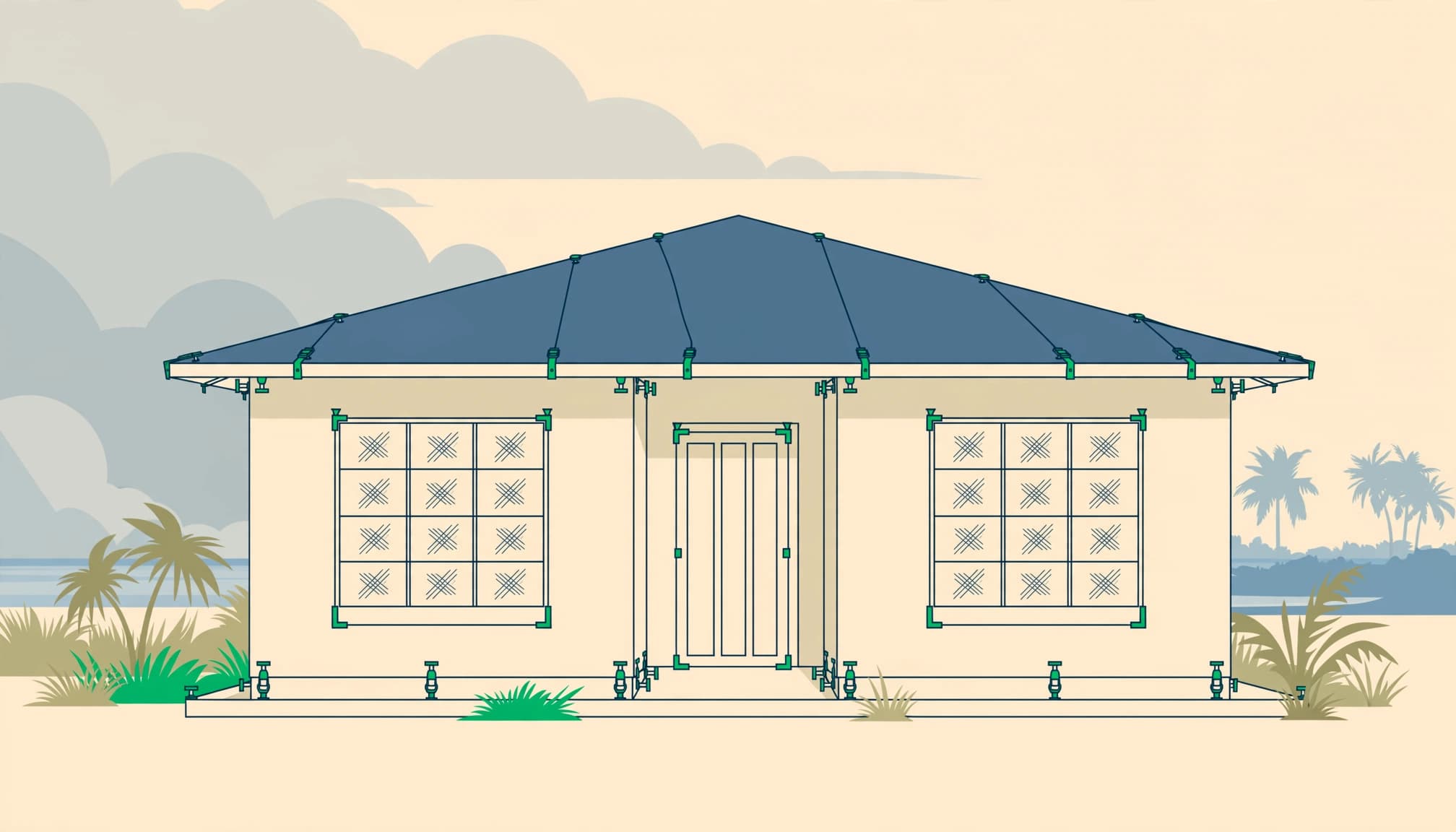
Across Southwest Florida, including Cape Coral, a jobsite may have an incomplete roof or exposed roof trusses when a storm approaches. Unsecured openings and stored materials can threaten structural integrity, so plans should reflect the construction stage, not just the finished design.
Check Wind Coverage and Deductibles
Ask whether wind and named storms are covered, and read the separate deductible if one applies. A percentage deductible can be much larger than the flat amount shown elsewhere in the quote.
At a 5% named-storm deductible on a $500,000 insured value, the deductible is $25,000. Confirm both the percentage and the value used to calculate it.
That calculation is an illustration, not a local rate or a promise of available terms. Ask who pays the deductible under your construction contract. Confirm the insurer’s storm-preparation requirements as part of practical risk management, including how materials and unfinished openings should be secured. Contractor insurance may cover some builder responsibilities, but it doesn’t replace builder’s risk coverage.
Treat Flood as a Separate Decision
Wind-driven damage and rising water can lead to different insurance decisions after the same storm. Ask your agent and lender whether flood coverage is available and required during construction. Check the lot’s flood information before finalizing the budget.
Elevation, foundation design, and material choices affect the project itself. FEMA’s flood damage-resistant materials guidance explains why the materials used below flood elevations need careful selection. Good flood-conscious construction reduces exposure; it doesn’t replace insurance.
Build to the Applicable Code, Not a General Rule
New construction gives you the opportunity to design for current requirements and document the work. It may be more attractive to some insurers than an older home with unknown roof connections or past repairs. It doesn’t guarantee a low premium or automatic approval.
Confirm Requirements for Your Address
The Florida Building Code’s 8th Edition (2023) took effect on December 31, 2023. The applicable permit authority reviews your property’s plans, wind-design information, and other requirements. Building codes and local procedures may vary between a Cape Coral address and a parcel in unincorporated Lee County.
Use the Florida Building Code resources and the Lee County residential building guide as starting points. Your design team should verify the current requirements for the specific site in Southwest Florida. There isn’t one wind-speed figure or opening specification that fits every lot.
Keep the Construction Record Complete
Approved plans, inspection records, and product documentation help show how the home was built. Wind-load engineering, roof trusses and their connections, impact resistant windows, flashing, and drainage should be addressed in the design. Verify these details during construction to support the home’s structural integrity.
We also recommend documenting changes as they happen. If a design revision raises the value of the project, tell the insurance agent before the coverage limit falls behind the work. Quality construction and accurate records support both the finished home and any construction-period claim.
Understand What Drives the Insurance Cost
The cost of builder’s risk insurance in Fort Myers depends on the project and the policy terms offered by insurance carriers. There isn’t a dependable local average that can replace a project-specific quote. Contractor insurance is a separate expense and shouldn’t be used to estimate builder’s risk.
Give the Agent an Accurate Project Scope
Expect questions about the home’s insured value, location, construction type, schedule, and storm exposure. Insurers may also ask about site security, material storage, and the work already completed. A location in Southwest Florida, including Cape Coral, can affect storm exposure. For construction projects, waterfront access, an extended schedule, or a major plan change can affect the terms available.
Send the agent the current plans, contract value, expected start and completion dates, and any lender requirements. If you compare insurance premiums, give each agent the same information. Otherwise, a lower price may reflect a lower limit or missing coverage.
Compare the Deductible With the Premium
A lower premium may come with a higher wind deductible or narrower protection. Review the coverage limit, covered causes of loss, flood arrangement, material provisions, and policy end conditions across insurance policies.
Ask for the financial effect of each deductible in dollars. That makes it easier to decide whether the project can absorb an uncovered amount after a storm. Premium is one budget line; the deductible is money you may need while repairs and loan draws are being coordinated.
Prepare for a Claim Before Damage Happens
When a storm damages an active jobsite in Southwest Florida, safety and reasonable steps to prevent further loss come first. Claims are easier to manage when the owner, builder, lender, and insurer understand their roles in advance.
Keep Records During the Build
Maintain dated site photos, approved plans, inspection results, delivery receipts, invoices, and written change orders. Photograph major milestones, especially before framing or other work is covered. These records can help document property damage and support insurance claims, but they don’t guarantee payment. Also note offsite materials and steps taken to secure the property before a storm.
Our Fort Myers contractor FAQs cover licensing, contractor insurance, and communication questions to raise before hiring a construction team. Ask who will preserve records and communicate with the insurer if damage occurs.
Report Damage and Protect the Evidence
Notify the insurer promptly through the party responsible for the policy. When it’s safe, photograph damage before cleanup and save invoices for temporary protection, drying, and emergency work.
Keep evidence of wind damage, rain entry, and rising water separate. Don’t discard damaged materials until the insurer gives direction, unless safety requires removal. Compare the adjuster’s scope with the plans and repair estimate, including demolition, replacement materials, permits, and code-related work.
Keep Builder’s Risk Separate From Other Protection
Builder’s risk covers covered property damage to the project, while contractor insurance addresses other risks. General liability insurance covers certain third-party injury or property-damage claims. Workers compensation insurance addresses eligible work-related injuries, and contractors may need commercial auto insurance or other coverage based on their operations.
Ask your builder for current contractor insurance information and confirm that subcontractor responsibilities are addressed in writing. A contractor’s liability certificate or future homeowners policy doesn’t prove the unfinished house has the builder’s risk protection your lender or contract expects.
Builder warranties are separate from insurance, too. A builder’s written warranty should explain its start date, covered work, exclusions, and repair process. It isn’t a substitute for insurance against a covered fire or storm during construction.
Frequently Asked Questions
Is Builder’s Risk Insurance Required for New Home Construction?
It may be required by your lender or construction contract. Don’t assume every project has the same requirement. Confirm the policy obligation before signing and before the lender’s first draw.
Does Builder’s Risk Cover Hurricane Damage?
It can cover wind damage when wind is included, subject to policy conditions and any named-storm deductible. Flood or storm surge may require separate coverage. Ask your agent to explain both in writing.
Can Homeowners Insurance Cover the House While It’s Being Built?
A standard homeowners policy shouldn’t be assumed to cover an active new build. Ask your agent what coverage is available during construction and when permanent homeowners coverage should begin. Builder warranties cover different responsibilities than insurance.
Who Handles a Claim if the Builder Bought the Policy?
The policyholder usually reports the loss, while contractor insurance may address the builder’s separate coverage needs. The contract should establish how the builder, owner, and lender coordinate documentation and repairs. Confirm that process before construction starts.
Protect the Project Before the First Delivery
A damaged home under construction needs more than a promise that someone is insured. You need a policy with the right limits, clear storm terms, and coverage dates that match the build.
We believe clear responsibility is the strongest starting point: put the policy, contractor insurance (separate from builder’s risk coverage), deductibles, and claim duties in writing alongside the construction scope. If you’re planning a new home in Southwest Florida, Get In Touch to discuss your project and the questions to settle before work begins.